
Wuhan at a Glance
2025–2026 dataCity economy
- City GDP
- US$316bn
- City GDP
- #9 nationally (2025)
- Population
- 13.9M
- Population
- Yangtze River Economic Belt
- Corp. Income Tax
- 25% / 15%
- Corp. Income Tax
- HNTE / Optics Valley
- WFOE Setup
- 6–10 weeks to licence
- WFOE Setup
- Licence to trading ~2–4 months
HR & payroll
- Monthly Min. Wage
- RMB 2,400/mo
- Monthly Min. Wage
- Wuhan municipal rate
- Employer SI Burden
- ~26.4%
- Employer SI Burden
- Excl. housing provident fund
- Employee SI Burden
- ~10.5%
- Employee SI Burden
- Excl. housing provident fund
- Housing Provident Fund
- 5–12% each
- Housing Provident Fund
- Employer & employee, min 5%
Corporate income tax: the standard rate is 25%; qualifying High and New Technology Enterprises (HNTE) and companies in designated zones may be eligible for a reduced 15% rate; confirm with Acadia. Social insurance figures are indicative for the 2025–2026 policy year; rates are recalculated annually by city.
Introduction to Wuhan
Wuhan is a strategically located transport and logistics hub, often referred to as the “Chicago of China.” Wuhan provides incentives to foreign companies in areas of transport subsidies, industrial tax breaks, and infrastructure support.
Foreign companies that find Wuhan attractive are those that require a nationwide distribution network.
Its central location allows firms to reach multiple regions from a single base.
Wuhan’s industrial backbone is anchored by major employers such as Dongfeng Motor Corporation and Wuhan Iron and Steel Corporation (now part of Baowu).
This combination of efficient logistics and industrial scale creates a strong ecosystem for automotive, steel, and supply chain operations.
Wuhan Economic Overview
Wuhan is the largest city economy in central China and capital of Hubei province, with a GDP of approximately RMB 2.21 trillion (US$316 billion) in 2025, ranking ninth nationally. Located at the intersection of China's north-south and east-west transport axes, Wuhan is the country's primary inland logistics and distribution hub. Total trade reached approximately US$65 billion and utilized FDI stood at US$9.0 billion. The city is part of the Yangtze River Economic Belt and benefits from national-level support as a strategic inland development corridor.
Key Industries in Wuhan
Automotive manufacturing is the largest industrial sector, anchored by Dongfeng Motor Corporation (one of China’s top-three auto groups), which operates its headquarters and major production base in Wuhan. Optics Valley (East Lake High-Tech Development Zone) is China’s largest optoelectronics and laser cluster, hosting Yangtze Optical Fibre, JTEKT, and numerous research institutes. Biopharmaceuticals and medical devices are a fast-growing sector, with the East Lake zone home to a substantial life sciences cluster. Steel production (historically anchored by Wuhan Iron and Steel, now part of Baowu Group) and heavy machinery round out the industrial base. Wuhan ranks among China’s top five cities for university R&D output, with Wuhan University and Huazhong University of Science and Technology producing graduates in optoelectronics, biotech, and advanced engineering.
Wuhan WFOE Company Registration
Wuhan WFOE registration is handled by the Wuhan Administration for Market Regulation (武汉市市场监督管理局) or district AMR (Jianghan, Hongshan, East Lake High‑Tech, etc.). Optics Valley (East Lake) maintains strong investment promotion counters alongside statutory AMR steps.
Optoelectronics and biotech scopes should align with park EHS rules. Multi‑province sales entities should plan VAT and branch registration with Hubei tax bureau onboarding.
Hiring Employees in Wuhan
Wuhan University, Huazhong University of Science and Technology, and Wuhan University of Technology supply automotive, optics, and biotech pipelines. Employer social insurance and housing fund use Hubei/Wuhan schedules (employer combined burden is mid‑tier nationally; thresholds adjust annually). Automotive corridor wages track central China benchmarks.
Social Insurance Rates for Wuhan
2025–2026 policy year| Category | Employer | Employee |
|---|---|---|
| Pension | 16% | 8% |
| Medical insurance | 9% | 2% |
| Unemployment insurance | 0.5% | 0.5% |
| Work injury insurance | 0.4% | — |
| Maternity insurance | 0.5% | — |
| Sub-total (excl. housing fund) | ~26.4% | ~10.5% |
| Housing provident fund | 5–12% | 5–12% |
Rates are indicative for the 2025–2026 policy year. Contributions are calculated on contributable salary capped at approximately 3× the local average monthly wage. Rates, base caps, and the work injury rate (which varies by industry risk category) are recalculated by city annually, typically effective July 1. Confirm current rates before processing payroll. Housing provident fund rates are set individually by each employer within the statutory range; the typical rate shown is the most common employer election.
Employee Salaries in Wuhan
Employee salaries in Wuhan remain mid-range between ¥9,000–11,000 per month. Wuhan, being a central logistics and industrial hub, has a broad economic base but fewer high-paying sectors such as finance and tech. Salary growth in Wuhan is steady due to the industrial composition.
Economic & Free Trade Zones in Wuhan
- China (Hubei) Pilot Free Trade Zone - Wuhan Area (linked to Optics Valley and Yangluo port belt)
- Wuhan East Lake High‑Tech Development Zone (Optics Valley)
- Wuhan Economic & Technological Development Zone (automotive cluster)
- Yangluo Port logistics and Yangtze River shipping trials
Tradeshows & Events in Wuhan
Optics Valley “Optics Expo” series and China International Commercial Aerospace Fair use Wuhan International Expo Center; large consumer fairs also book Hankou and Hanyang venues.
Wuhan Infrastructure
Wuhan Tianhe International Airport (WUH), Yangtze river ports including Yangluo, metro across three towns (Wuchang, Hankou, Hanyang), and high-speed rail hub status on Beijing–Guangzhou and Shanghai–Chengdu corridors.
Other locations we support
Explore city-specific advisory context across China.
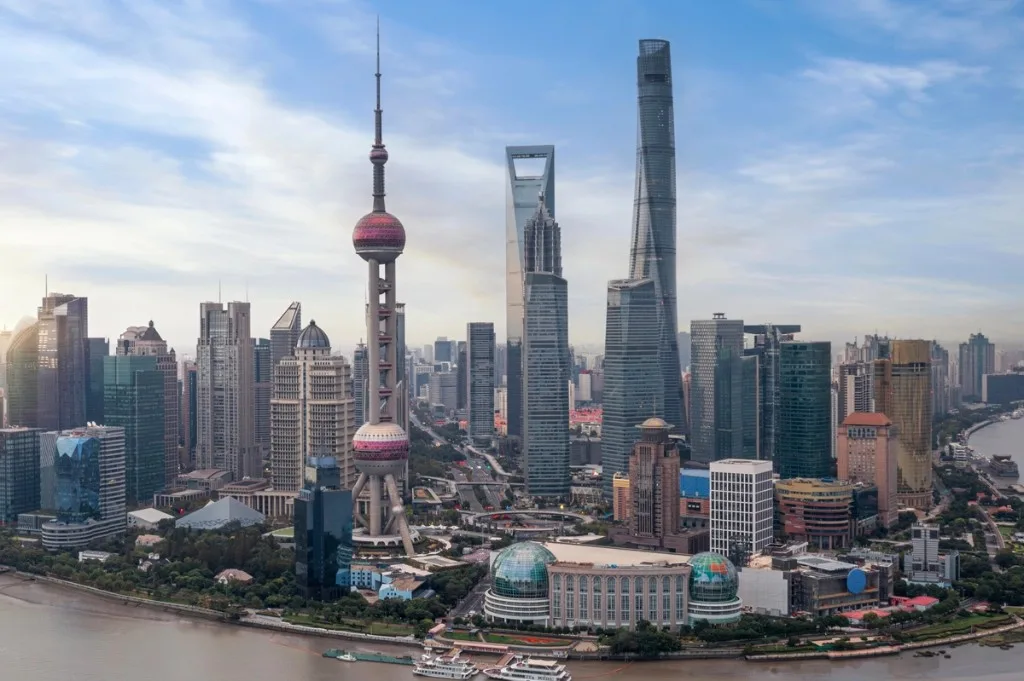 Shanghai Doing business in Shanghai
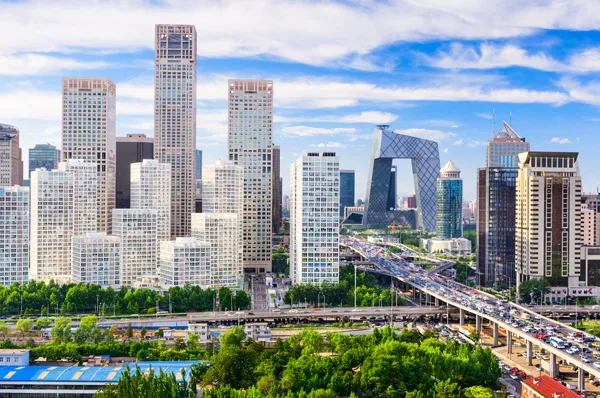 Beijing Doing business in Beijing
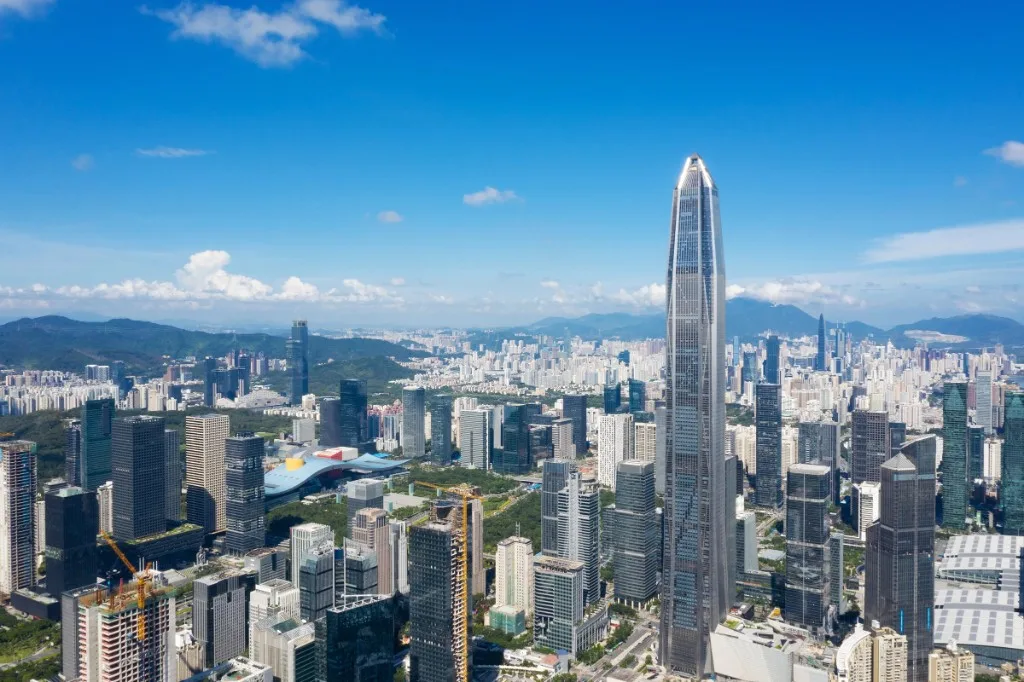 Shenzhen Doing business in Shenzhen
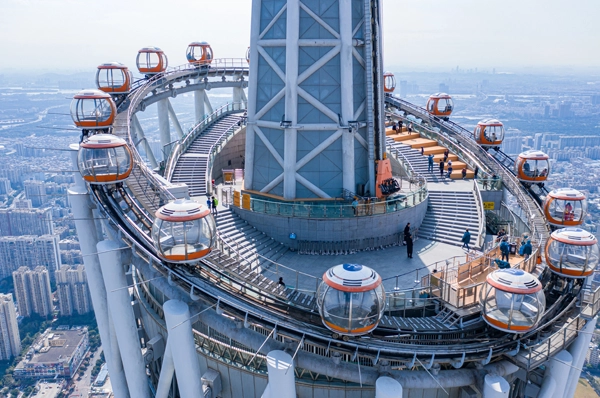 Guangzhou Doing business in Guangzhou
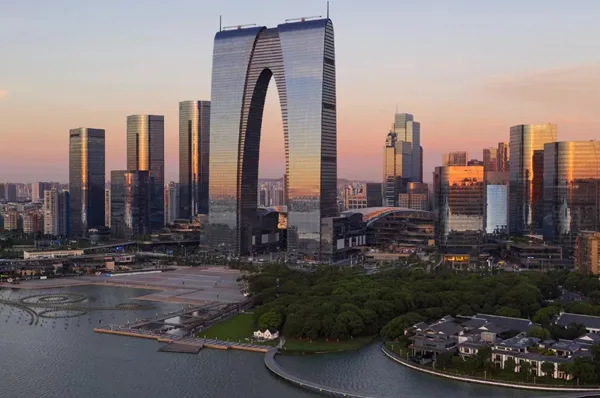 Suzhou Doing business in Suzhou
 Chengdu Doing business in Chengdu
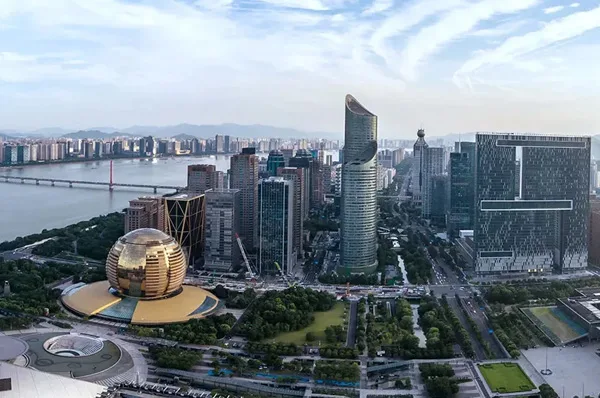 Hangzhou Doing business in Hangzhou
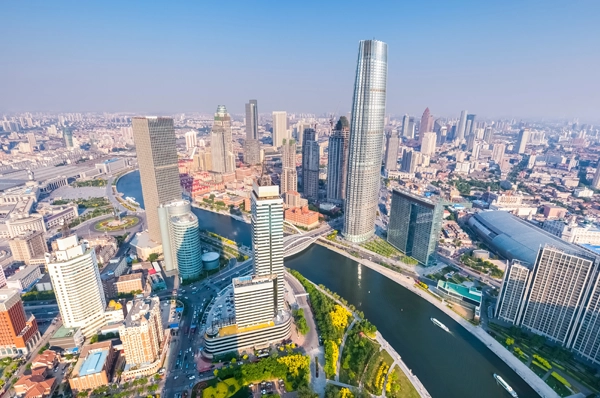 Tianjin Doing business in Tianjin
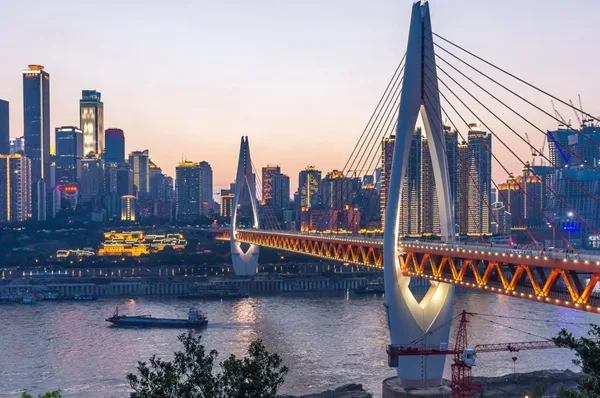 Chongqing Doing business in Chongqing
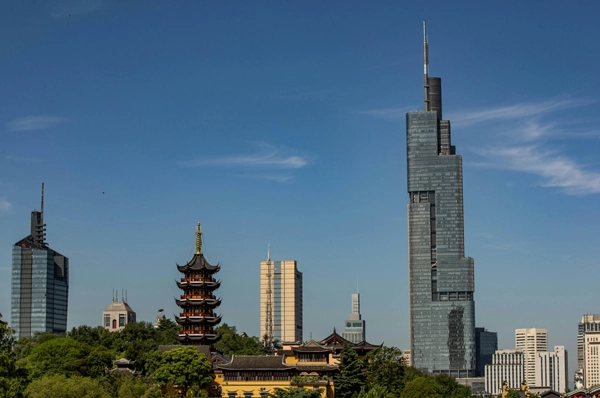 Nanjing Doing business in Nanjing
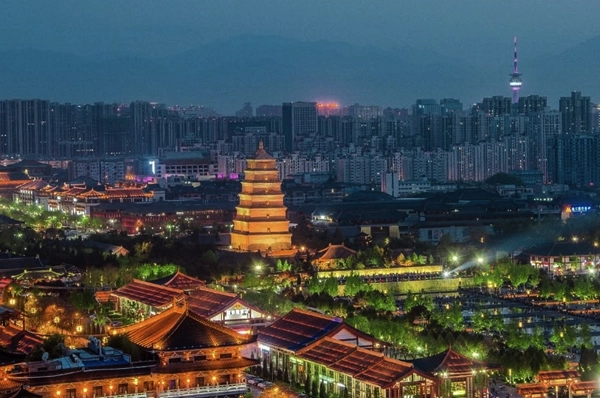 Xi'an Doing business in Xi'an
 Dalian Doing business in Dalian
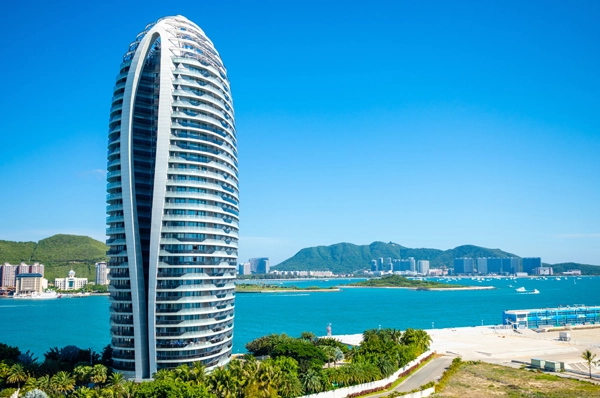 Hainan Doing business in Hainan
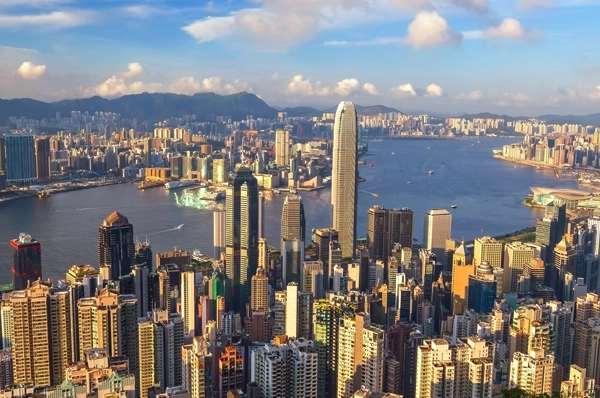 Hong Kong Doing business in Hong Kong
Start your Wuhan business setup
Tell us your target structure and timeline, and we will outline the fastest compliant path for registration, accounting, and HR in Wuhan.