
Tianjin at a Glance
2025–2026 dataCity economy
- City GDP
- US$265bn
- City GDP
- #12 nationally (2025)
- Population
- 13.6M
- Population
- Jing-Jin-Ji
- Corp. Income Tax
- 25% / 15%
- Corp. Income Tax
- TEDA
- WFOE Setup
- 6–10 weeks to licence
- WFOE Setup
- Licence to trading ~2–4 months
HR & payroll
- Monthly Min. Wage
- RMB 2,510/mo
- Monthly Min. Wage
- Tianjin municipal rate
- Employer SI Burden
- ~27.9%
- Employer SI Burden
- Excl. housing provident fund
- Employee SI Burden
- ~10.5%
- Employee SI Burden
- Excl. housing provident fund
- Housing Provident Fund
- 5–12% each
- Housing Provident Fund
- Employer & employee, min 5%
Corporate income tax: the standard rate is 25%; qualifying High and New Technology Enterprises (HNTE) and companies in designated zones may be eligible for a reduced 15% rate; confirm with Acadia. Social insurance figures are indicative for the 2025–2026 policy year; rates are recalculated annually by city.
Introduction to Tianjin
Tianjin has a compelling value proposition for foreign companies that operate in heavy industries, logistics, and advanced manufacturing.
The port of Tianjin has infrastructure that provides direct access to northern China, while industrial zones in Tianjin offer attractive tax incentives and cost-saving advantages. Being within proximity to Beijing also allows foreign firms to balance operational efficiency with access to China’s regulatory and policy environment.
Tianjin Economic Overview
Tianjin recorded a GDP of approximately US$265 billion (RMB 1.85 trillion) in 2025, serving as the second-largest economy in the Jing-Jin-Ji (Beijing-Tianjin-Hebei) cluster. The city attracted US$41.4 billion in utilized FDI. Total trade reached approximately US$119 billion, processed primarily through Tianjin Port, the largest port in northern China. Tianjin ranks among China's leading cities for R&D expenditure and scientific research output.
Key Industries in Tianjin
Automobile manufacturing is the largest sector in Tianjin’s equipment manufacturing industry. Aviation is an emerging pillar: Airbus commenced A321 single-aisle final assembly at its Tianjin facility in 2022, and in the first five months of 2022 the city’s aviation production chain output reached RMB 5.79 billion, up 15.4 percent year-on-year. The biopharmaceutical sector in the Tianjin Economic and Technological Development Area (TEDA) achieved annual output of RMB 40.46 billion in 2021, supported by over 400 biopharmaceutical companies spanning biologics, digital medicine, traditional Chinese medicine, and cell and gene diagnostics. Tianjin is also China’s largest steel exporter by value, with exports of RMB 232.8 billion in 2022 (up 37.6 percent year-on-year). The Jing-Jin-Ji cluster plan additionally promotes high-end manufacturing, technology and innovation, and pharmaceuticals and biotechnology as priority industries.
Tianjin WFOE Company Registration
Tianjin WFOE filings are handled by the Tianjin Municipal Administration for Market Regulation (天津市市场监督管理委员会) and district AMR (Binhai, Heping, etc.). Binhai New Area maintains strong foreign investment service infrastructure alongside registration.
Manufacturing and logistics entities often domicile in Binhai for port proximity. Scope tied to hazardous processes needs safety bureau alignment early.
Hiring Employees in Tianjin
Nankai University, Tianjin University, and Tianjin University of Finance and Economics support manufacturing finance, engineering, and logistics roles. Employer social insurance and housing fund use Tianjin municipal schedules (combined employer burden is generally moderate vs Beijing/Shanghai; confirm caps). Port and automotive clusters set wage benchmarks for skilled trades.
Social Insurance Rates for Tianjin
2025–2026 policy year| Category | Employer | Employee |
|---|---|---|
| Pension | 16% | 8% |
| Medical insurance | 10% | 2% |
| Unemployment insurance | 0.5% | 0.5% |
| Work injury insurance | 0.4% | — |
| Maternity insurance | 1% | — |
| Sub-total (excl. housing fund) | ~27.9% | ~10.5% |
| Housing provident fund | 5–12% | 5–12% |
Rates are indicative for the 2025–2026 policy year. Contributions are calculated on contributable salary capped at approximately 3× the local average monthly wage. Rates, base caps, and the work injury rate (which varies by industry risk category) are recalculated by city annually, typically effective July 1. Confirm current rates before processing payroll. Housing provident fund rates are set individually by each employer within the statutory range; the typical rate shown is the most common employer election.
Employee Salaries in Tianjin
Tianjin relies on port logistics, heavy industry, and state-owned enterprises, and while its proximity to Beijing helps bolster salaries, the average salary is around ¥10,000–12,000 per month. The slower economic growth and industrial reliance of Tianjin limit salary expectations for employees.
Economic & Free Trade Zones in Tianjin
- China (Tianjin) Pilot Free Trade Zone (airport, Dongjiang, and Binhai sub‑zones)
- Tianjin Economic‑Technological Development Area (TEDA)
- Binhai New Area port and bonded logistics belts
- Tianjin Port Free Trade Zone and Dongjiang ship financing trial areas
Tradeshows & Events in Tianjin
World Economic Forum Summer Davos when hosted in China rotates to Tianjin at times; industrial equipment and maritime fairs use Meijiang Convention and Exhibition Center and TEDA convention facilities.
Tianjin Infrastructure
Tianjin Binhai International Airport (TSN), Tianjin Port (world‑class container throughput with Beijing hinterland rail‑sea intermodal), metro and intercity rail to Beijing South under ~40 minutes on fastest trains.
Other locations we support
Explore city-specific advisory context across China.
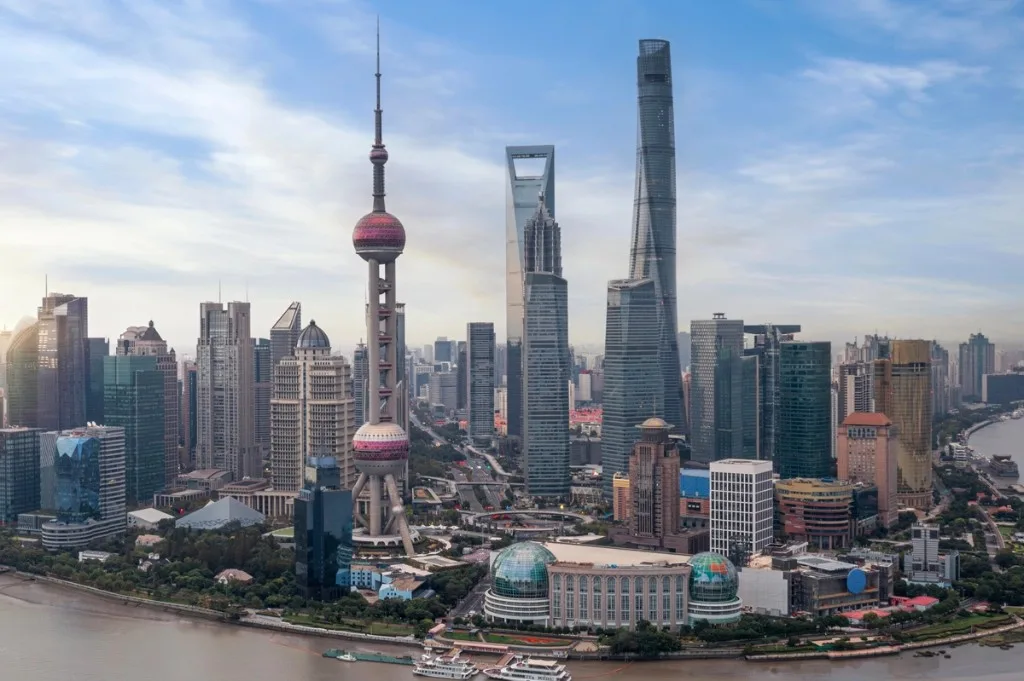 Shanghai Doing business in Shanghai
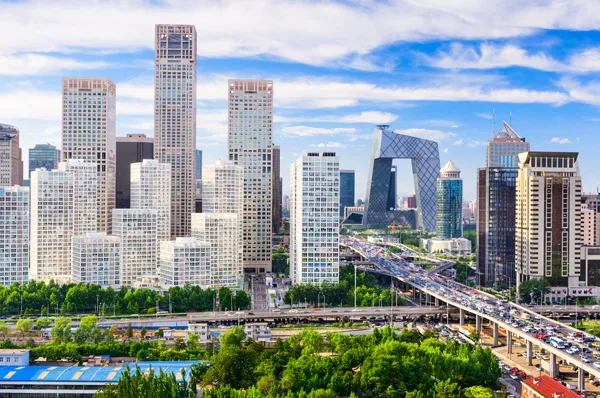 Beijing Doing business in Beijing
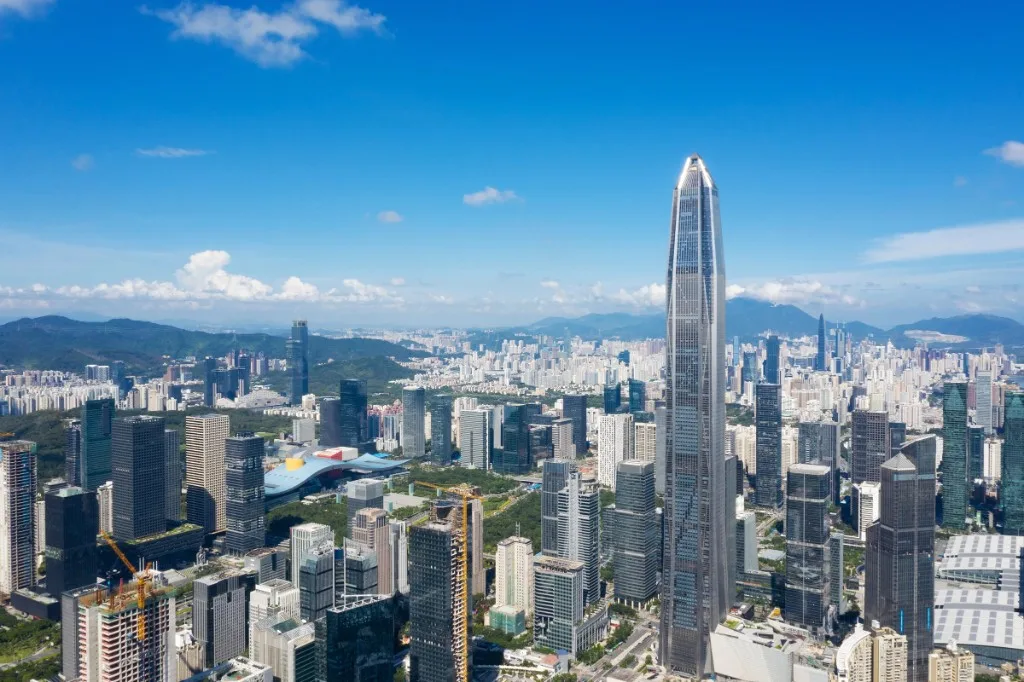 Shenzhen Doing business in Shenzhen
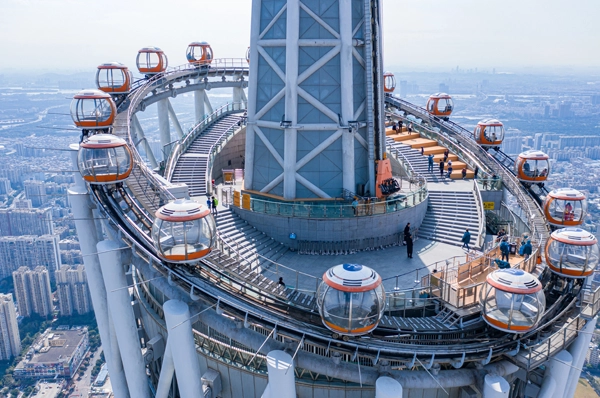 Guangzhou Doing business in Guangzhou
 Suzhou Doing business in Suzhou
 Chengdu Doing business in Chengdu
 Hangzhou Doing business in Hangzhou
 Chongqing Doing business in Chongqing
 Nanjing Doing business in Nanjing
 Wuhan Doing business in Wuhan
 Xi'an Doing business in Xi'an
 Dalian Doing business in Dalian
 Hainan Doing business in Hainan
 Hong Kong Doing business in Hong Kong
Start your Tianjin business setup
Tell us your target structure and timeline, and we will outline the fastest compliant path for registration, accounting, and HR in Tianjin.