
Shenzhen at a Glance
2025–2026 dataCity economy
- City GDP
- US$553bn
- City GDP
- #3 nationally (2025)
- Population
- 18.2M
- Population
- Greater Bay Area
- Corp. Income Tax
- 25% / 15%
- Corp. Income Tax
- Qianhai
- WFOE Setup
- 4–8 weeks to licence
- WFOE Setup
- Licence to trading ~2–4 months
HR & payroll
- Monthly Min. Wage
- RMB 2,700/mo
- Monthly Min. Wage
- Shenzhen municipal rate
- Employer SI Burden
- ~21.8%
- Employer SI Burden
- Excl. housing provident fund
- Employee SI Burden
- ~10.3%
- Employee SI Burden
- Excl. housing provident fund
- Housing Provident Fund
- 5–12% each
- Housing Provident Fund
- Employer & employee, min 5%
Corporate income tax: the standard rate is 25%; qualifying High and New Technology Enterprises (HNTE) and companies in designated zones may be eligible for a reduced 15% rate; confirm with Acadia. Social insurance figures are indicative for the 2025–2026 policy year; rates are recalculated annually by city.
Introduction to Shenzhen
Shenzhen has a unique ecosystem that combines advanced dynamic innovation with an entrepreneurial spirit and a strong manufacturing base, which results in Shenzhen being the place to operate for speed and scale.
Operating in Shenzhen also has benefits as a regional Special Economic Zone, giving tax advantages, subsidies for startup companies, and streamlined company setup and registration processes.
We support several foreign companies in industries of computer hardware, electronics, and IoT systems that find Shenzhen unmatched in its ability to support companies that need to go from an idea or concept into production within weeks.
Shenzhen transformed from a small fishing community to a globally recognized innovation powerhouse in only four decades. Shenzhen is home to Chinese industry leaders such as Huawei, Tencent, and BYD, which help anchor a deeply integrated supply chain network.
For foreign investors in tech, Shenzhen not only offers incentives but tangible operational capabilities to support the scaling of ideas into products.
Shenzhen Economic Overview
Shenzhen is the largest city economy in the Guangdong-Hong Kong-Macao Greater Bay Area (GBA), with a GDP of approximately US$553 billion (RMB 3.87 trillion) in 2025 and the third-largest city economy nationally. The city handled approximately US$650 billion in imports and exports, among the highest of any mainland city. Utilized FDI stood at approximately US$7.2 billion. The Port of Shenzhen remains among the world's top container ports, processing hundreds of millions of metric tons of cargo annually. Shenzhen is the GBA's largest individual economic contributor.
Key Industries in Shenzhen
High-technology, scientific R&D, and AI are Shenzhen's defining sectors, anchored by global companies including Huawei, Tencent, BYD, and DJI. Shenzhen is China's hardware and electronics manufacturing capital and a leading centre for semiconductor outputs, consumer electronics, and new energy vehicles. Financial services, trade and logistics, culture and exhibitions, and media are significant complementary sectors. In Qianhai, qualified enterprises in encouraged modern service industries (covering logistics, information services, technology, and cultural and creative industries) are eligible for a reduced 15 percent corporate income tax rate (policy running to December 2025). Companies establishing China headquarters in Shenzhen can access subsidies of up to RMB 20 million for qualifying multinational headquarters, and financial enterprise HQ grants of up to RMB 10 million plus 50 percent of relocation cost support.
Shenzhen WFOE Company Registration
Shenzhen WFOE registration is handled by the Shenzhen Administration for Market Regulation (深圳市市场监督管理局) and district branches (e.g. Nanshan, Futian, Luohu, Bao’an, Longgang) based on domicile. Qianhai and other zones may offer consolidated service desks but statutory registration remains with the AMR chain.
Shenzhen emphasizes digital filing and electronic chops. Business scope tied to “专精特新” or high-tech labels should be aligned with R&D and IP substance early for incentive access.
Hiring Employees in Shenzhen
Shenzhen benefits from proximity to South China University of Technology, Shenzhen University, CUHK (Shenzhen), and talent inflow from Guangzhou/Hong Kong. Hardware, embedded, and supply-chain roles are deep. Employer social insurance and housing fund contributions use Guangdong/Shenzhen schedules (employer burden is material; thresholds change each July cycle). Wages for engineers are typically South China premium vs inland.
Social Insurance Rates for Shenzhen
2025–2026 policy year| Category | Employer | Employee |
|---|---|---|
| Pension | 14% | 8% |
| Medical insurance | 6.45% | 2% |
| Unemployment insurance | 0.6% | 0.3% |
| Work injury insurance | 0.3% | — |
| Maternity insurance | 0.45% | — |
| Sub-total (excl. housing fund) | ~21.8% | ~10.3% |
| Housing provident fund | 5–12% | 5–12% |
Rates are indicative for the 2025–2026 policy year. Contributions are calculated on contributable salary capped at approximately 3× the local average monthly wage. Rates, base caps, and the work injury rate (which varies by industry risk category) are recalculated by city annually, typically effective July 1. Confirm current rates before processing payroll. Housing provident fund rates are set individually by each employer within the statutory range; the typical rate shown is the most common employer election.
Employee Salaries in Shenzhen
Shenzhen, known as China’s Silicon Valley, offers an average salary of around ¥15,000–16,000 per month. Shenzhen is home to major Chinese tech giants such as Huawei and Tencent, which compete for the most talented employees. Shenzhen’s healthy startup ecosystem, high-tech manufacturing sector, and proximity to the finance hub of Hong Kong help drive strong salary growth, especially for skilled employees.
Economic & Free Trade Zones in Shenzhen
- Qianhai Shenzhen‑Hong Kong Modern Service Industry Cooperation Zone
- Shenzhen High‑Tech Industrial Development Zone (Nanshan/Shenzhen Bay belt)
- Shenzhen‑Pingshan New District and Guangming Science City clusters
- Greater Bay Area integration corridors with Hong Kong and Guangzhou
Tradeshows & Events in Shenzhen
High‑profile events include China Hi‑Tech Fair (CHTF), CPSE for security tech, and large consumer electronics gatherings at Shenzhen Convention & Exhibition Center (Futian) and World Exhibition & Convention Center in Bao’an (airport area). Many vertical shows rotate through Shenzhen World.
Shenzhen Infrastructure
Shenzhen Bao’an International Airport (SZX), dense metro, deep‑water container terminals at Yantian and Chiwan/Dachan Bay, and high-speed rail to Guangzhou South, Hong Kong West Kowloon, and Xiamen. Cross‑border road links support Hong Kong distribution.
Other locations we support
Explore city-specific advisory context across China.
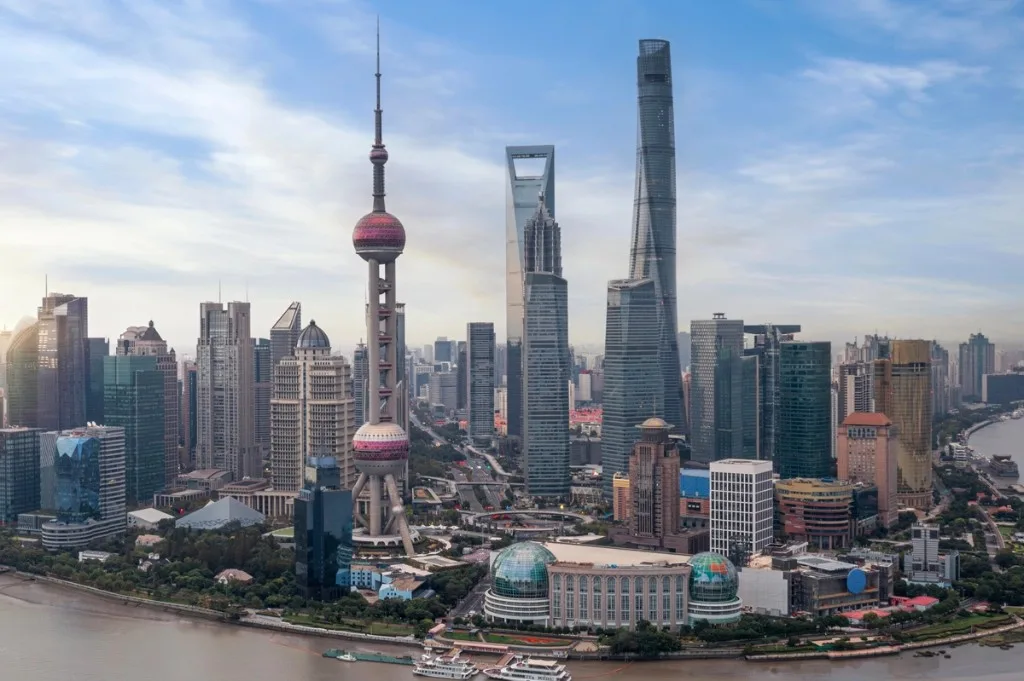 Shanghai Doing business in Shanghai
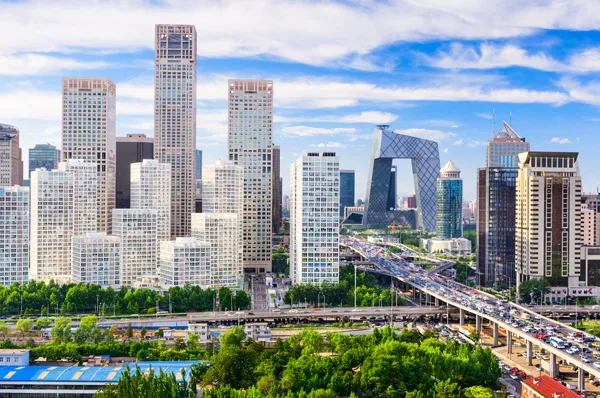 Beijing Doing business in Beijing
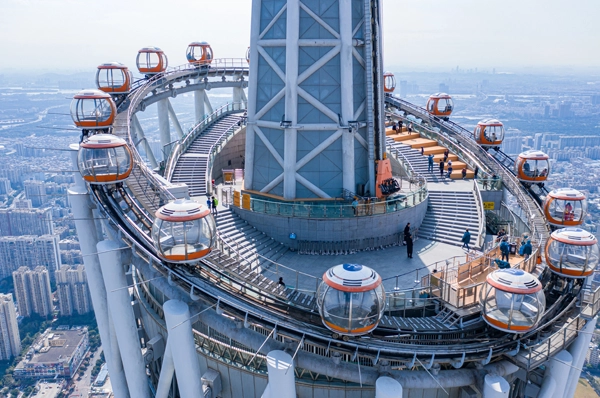 Guangzhou Doing business in Guangzhou
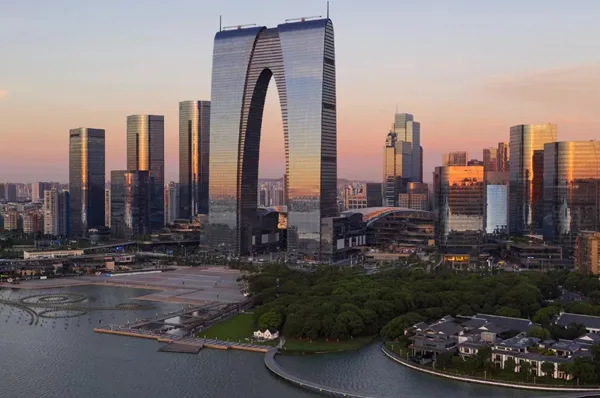 Suzhou Doing business in Suzhou
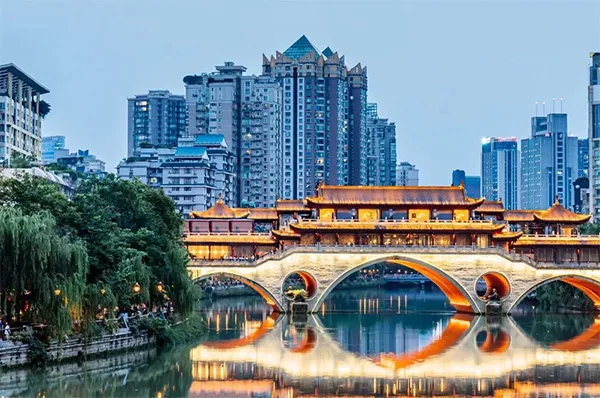 Chengdu Doing business in Chengdu
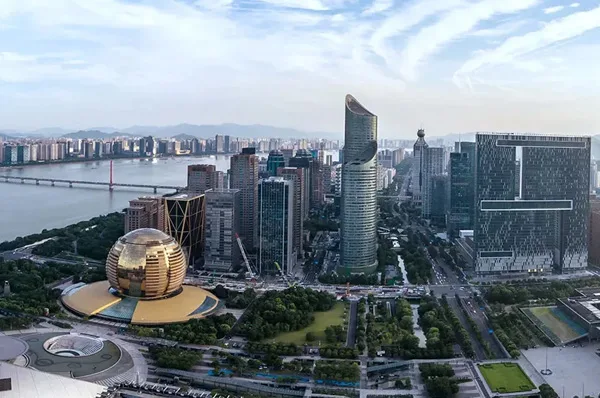 Hangzhou Doing business in Hangzhou
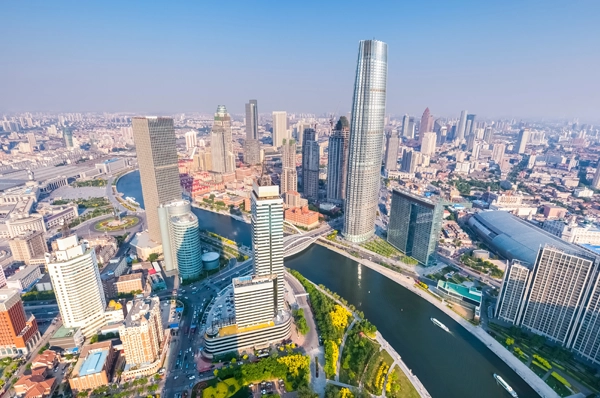 Tianjin Doing business in Tianjin
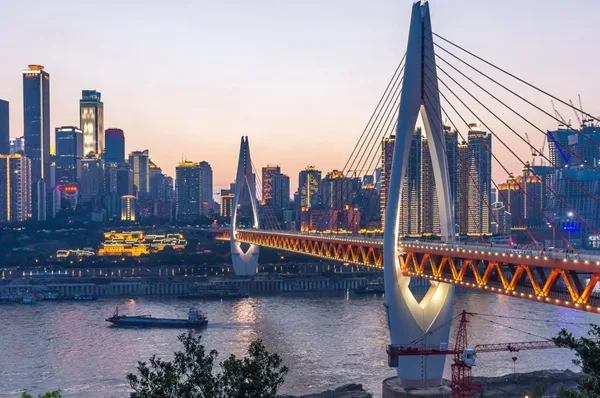 Chongqing Doing business in Chongqing
 Nanjing Doing business in Nanjing
 Wuhan Doing business in Wuhan
 Xi'an Doing business in Xi'an
 Dalian Doing business in Dalian
 Hainan Doing business in Hainan
 Hong Kong Doing business in Hong Kong
Start your Shenzhen business setup
Tell us your target structure and timeline, and we will outline the fastest compliant path for registration, accounting, and HR in Shenzhen.