
Nanjing at a Glance
2025–2026 dataCity economy
- City GDP
- US$278bn
- City GDP
- #10 nationally (2025)
- Population
- 9.6M
- Population
- Yangtze River Delta
- Corp. Income Tax
- 25% / 15%
- Corp. Income Tax
- HNTE / Jiangbei
- WFOE Setup
- 6–10 weeks to licence
- WFOE Setup
- Licence to trading ~2–4 months
HR & payroll
- Monthly Min. Wage
- RMB 2,660/mo
- Monthly Min. Wage
- Nanjing municipal rate
- Employer SI Burden
- ~26.9%
- Employer SI Burden
- Excl. housing provident fund
- Employee SI Burden
- ~10.5%
- Employee SI Burden
- Excl. housing provident fund
- Housing Provident Fund
- 5–12% each
- Housing Provident Fund
- Employer & employee, min 5%
Corporate income tax: the standard rate is 25%; qualifying High and New Technology Enterprises (HNTE) and companies in designated zones may be eligible for a reduced 15% rate; confirm with Acadia. Social insurance figures are indicative for the 2025–2026 policy year; rates are recalculated annually by city.
Introduction to Nanjing
Nanjing excels in academic strength and industrial capability, making it an attractive location for research-driven and engineering-intensive operations.
Nanjing offers incentives focused on talent acquisition, including hiring subsidies and innovation grants. Companies have a pathway to partnerships with leading universities.
From a consulting perspective, Nanjing appeals to foreign firms that seek a balance between Shanghai’s proximity and lower operational costs, a highly educated talent pool, and a stable policy environment, making Nanjing ideal for R&D centers and regional operations.
Nanjing Economic Overview
Nanjing recorded a GDP of approximately US$278 billion (RMB 1.94 trillion) in 2025, ranking tenth nationally and among the largest city economies in the Yangtze River Delta region. Utilized FDI was US$13.1 billion. Total trade reached approximately US$77 billion, supported by the Jiangsu FTZ Nanjing Area (Jiangbei district), which facilitates cross-border trade and investment. As Jiangsu province's capital, Nanjing benefits from the YRD's integrated tax services framework, which allows high-credit-rated enterprises to transfer tax records and compliance history seamlessly when relocating within the delta region.
Key Industries in Nanjing
Software, electronic information, and advanced R&D are Nanjing’s defining sectors, supported by one of the densest concentrations of research universities in China. The city hosts regional headquarters for major corporations in IT, biomedicine, civil and environmental engineering, and new materials. Aerospace and rail transit are associated strengths: Nanjing University of Aeronautics and Astronautics and Hohai University supply highly specialised engineering and infrastructure talent. The Jiangbei New Area’s financial services and industrial belt is positioned as a cross-Yangtze growth engine, with preferential policies for Jiangbei-based R&D and manufacturing projects, including targeted subsidies for companies in integrated circuits, life sciences, and intelligent manufacturing.
Nanjing WFOE Company Registration
Nanjing WFOE establishment is filed with the Nanjing Administration for Market Regulation (南京市市场监督管理局) or district AMR (Xuanwu, Qinhuai, Jianye, Jiangbei New Area, etc.). Jiangbei New Area coordinates many foreign-invested project onboarding steps with AMR.
Software and R&D parks in Jiangning and Jiangbei may offer lease templates pre‑approved for registration addresses. Cross‑Yangtze Delta structures should document intercompany services with Suzhou and Shanghai entities.
Hiring Employees in Nanjing
Nanjing University, Southeast University, Nanjing University of Aeronautics and Astronautics, and Hohai University feed software, civil engineering, and advanced manufacturing talent at lower cost than Shanghai. Employer social insurance and housing fund use Jiangsu/Nanjing tables (employer burden similar to Suzhou; verify annual base updates). Bilingual finance roles remain tighter than Shanghai.
Social Insurance Rates for Nanjing
2025–2026 policy year| Category | Employer | Employee |
|---|---|---|
| Pension | 16% | 8% |
| Medical insurance | 9% | 2% |
| Unemployment insurance | 0.5% | 0.5% |
| Work injury insurance | 0.4% | — |
| Maternity insurance | 1% | — |
| Sub-total (excl. housing fund) | ~26.9% | ~10.5% |
| Housing provident fund | 5–12% | 5–12% |
Rates are indicative for the 2025–2026 policy year. Contributions are calculated on contributable salary capped at approximately 3× the local average monthly wage. Rates, base caps, and the work injury rate (which varies by industry risk category) are recalculated by city annually, typically effective July 1. Confirm current rates before processing payroll. Housing provident fund rates are set individually by each employer within the statutory range; the typical rate shown is the most common employer election.
Employee Salaries in Nanjing
Nanjing employees can expect an average salary of between ¥11,000–13,000 per month. Nanjing has a strong education base and is home to the regional corporate headquarters of Chinese companies and multinationals. Nanjing benefits from a supply of skilled labor and diversified industries. Salaries in Nanjing are considered competitive for a Tier 2 city but slightly lower than finance and tech hubs.
Economic & Free Trade Zones in Nanjing
- China (Jiangsu) Pilot Free Trade Zone - Nanjing Area (Jiangbei concentration)
- Jiangbei New Area industrial and financial services belt
- Nanjing Economic & Technological Development Zone (Xingang)
- Jiangning and Purple Mountain science park clusters
Tradeshows & Events in Nanjing
World Intelligent Manufacturing Conference and software industry events use Nanjing International Expo Center; academic and defence‑adjacent conferences leverage local university venues.
Nanjing Infrastructure
Nanjing Lukou International Airport (NKG), Nanjing South high-speed rail hub on Beijing–Shanghai and Shanghai–Wuhan lines, Yangtze port terminals, and metro coverage across Jiangbei and main urban districts.
Other locations we support
Explore city-specific advisory context across China.
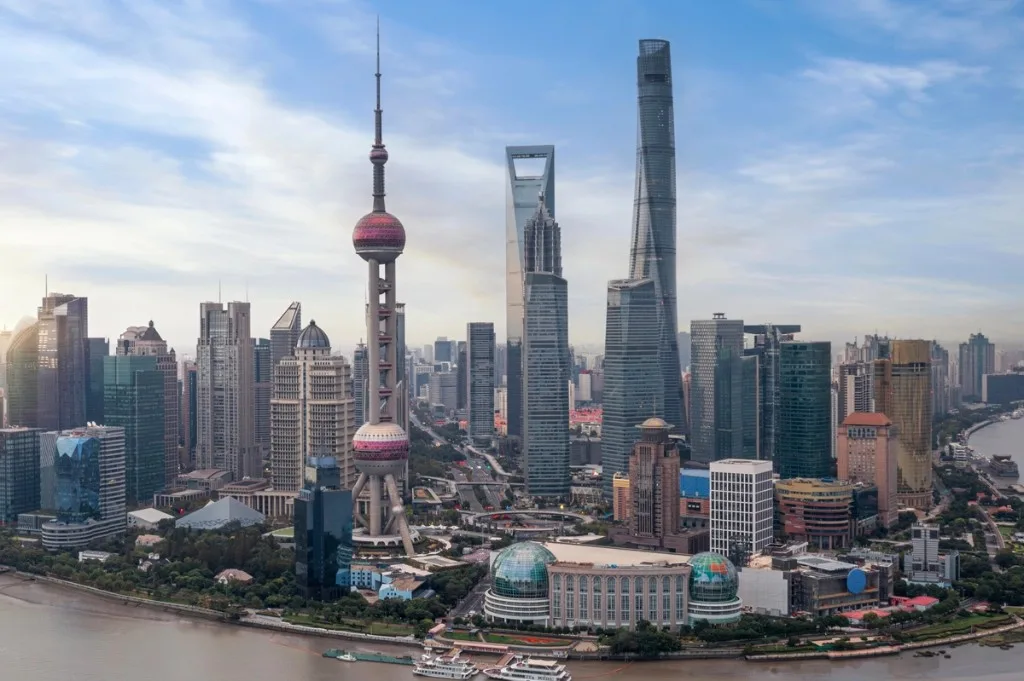 Shanghai Doing business in Shanghai
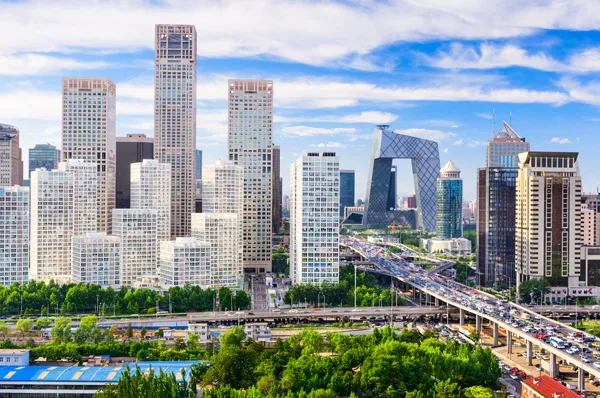 Beijing Doing business in Beijing
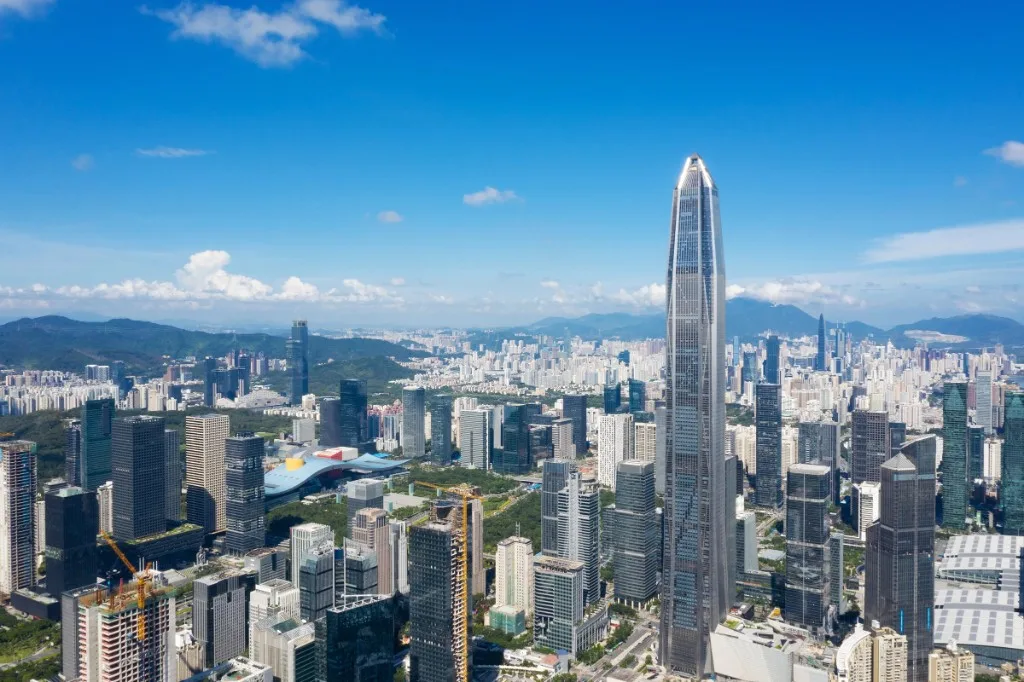 Shenzhen Doing business in Shenzhen
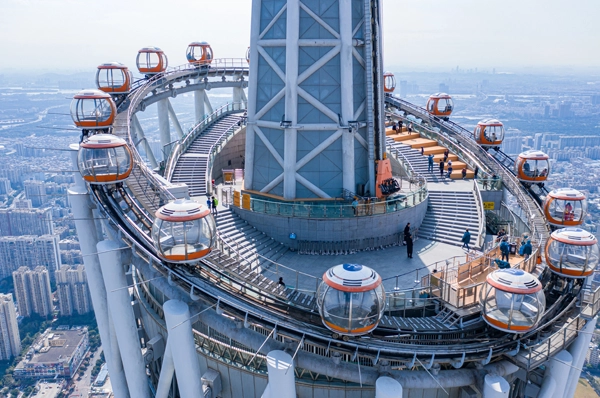 Guangzhou Doing business in Guangzhou
 Suzhou Doing business in Suzhou
 Chengdu Doing business in Chengdu
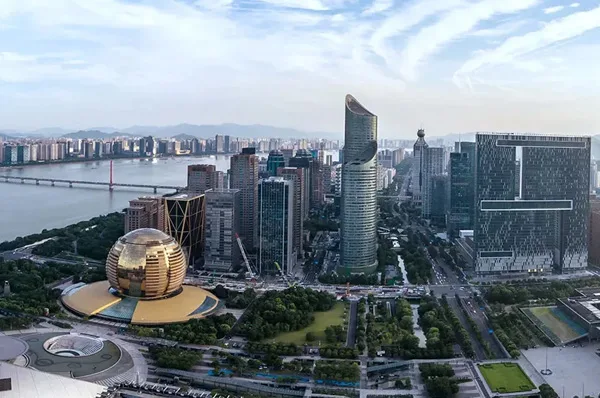 Hangzhou Doing business in Hangzhou
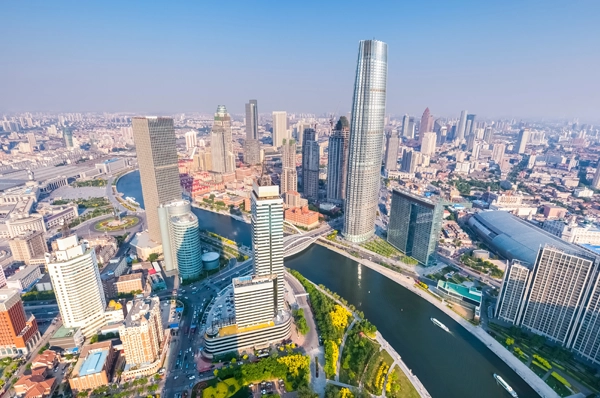 Tianjin Doing business in Tianjin
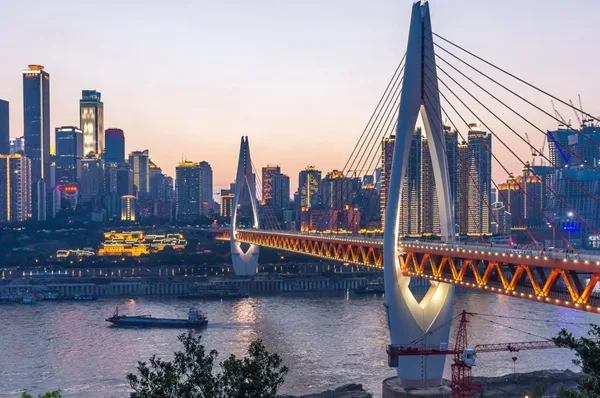 Chongqing Doing business in Chongqing
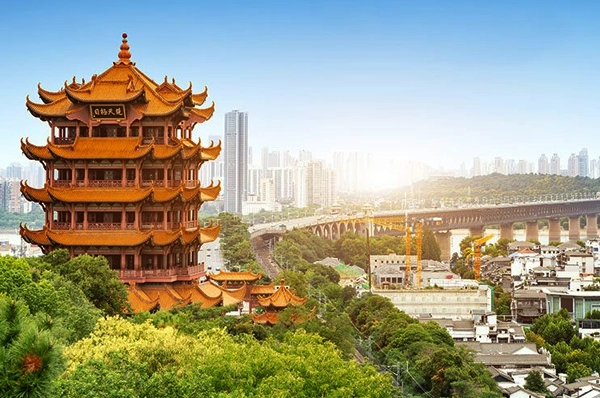 Wuhan Doing business in Wuhan
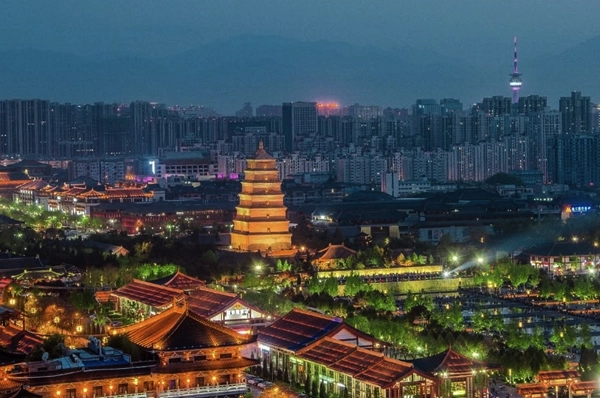 Xi'an Doing business in Xi'an
 Dalian Doing business in Dalian
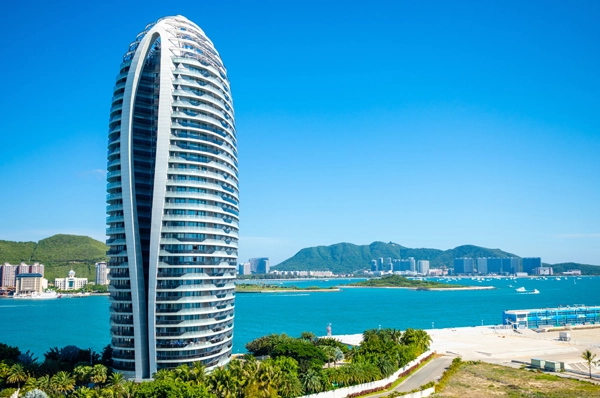 Hainan Doing business in Hainan
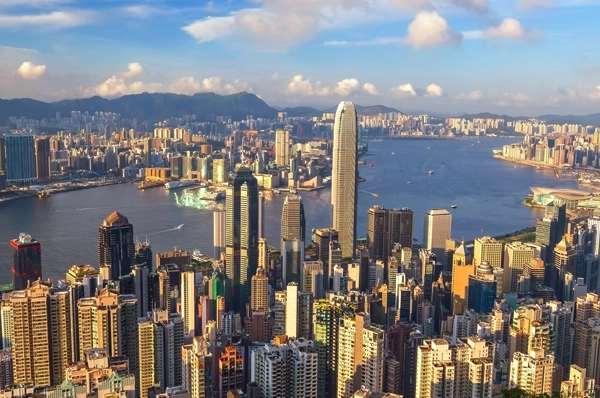 Hong Kong Doing business in Hong Kong
Start your Nanjing business setup
Tell us your target structure and timeline, and we will outline the fastest compliant path for registration, accounting, and HR in Nanjing.