
Guangzhou at a Glance
2025–2026 dataCity economy
- City GDP
- US$458bn
- City GDP
- #5 nationally (2025)
- Population
- 19.1M
- Population
- Greater Bay Area
- Corp. Income Tax
- 25% / 15%
- Corp. Income Tax
- Nansha GBA FTZ
- WFOE Setup
- 4–8 weeks to licence
- WFOE Setup
- Licence to trading ~2–4 months
HR & payroll
- Monthly Min. Wage
- RMB 2,680/mo
- Monthly Min. Wage
- Guangzhou municipal rate
- Employer SI Burden
- ~22%
- Employer SI Burden
- Excl. housing provident fund
- Employee SI Burden
- ~10.3%
- Employee SI Burden
- Excl. housing provident fund
- Housing Provident Fund
- 5–12% each
- Housing Provident Fund
- Employer & employee, min 5%
Corporate income tax: the standard rate is 25%; qualifying High and New Technology Enterprises (HNTE) and companies in designated zones may be eligible for a reduced 15% rate; confirm with Acadia. Social insurance figures are indicative for the 2025–2026 policy year; rates are recalculated annually by city.
Introduction to Guangzhou
Guangzhou has a long-standing role as being China’s commercial trade gateway. The city offers strong export trade facilitation incentives such as customs efficiency, transportation and logistics subsidies, and support for cross-border e-commerce.
The Canton Fair is a cornerstone of global trade facilitation, providing direct access to international buyers and suppliers every year.
Guangzhou, unlike Shenzhen’s tech-driven model, is more diversified across manufacturing, wholesale trade, and distribution.
Foreign companies engaged in import-export and wholesale trade find Guangzhou to be particularly attractive as a commercial hub for scaling their trading operations.
Guangzhou Economic Overview
Guangzhou recorded a GDP of approximately US$458 billion (RMB 3.20 trillion) in 2025, ranking fifth nationally and serving as a core pillar of the Greater Bay Area cluster. Total imports and exports reached approximately US$177 billion, with strengths in mechanical and electrical products, petrochemicals, and vehicle-related goods. Utilized FDI stood at approximately US$3.6 billion. As the GBA's traditional commercial and manufacturing anchor, Guangzhou remains one of China's most important trade and production bases despite Chongqing overtaking it in national GDP rank.
Key Industries in Guangzhou
Guangzhou's leading industries include advanced manufacturing, automobile production, electronics assembly, petrochemicals, financial services, shipbuilding and marine equipment, and nuclear power component manufacturing. The city is one of China's most significant automotive production centres, hosting major joint-venture plants for Toyota (GAC-Toyota), Honda (GAC-Honda), and Nissan alongside growing domestic EV production. The Guangdong-Hong Kong-Macao Greater Bay Area FTZ Nansha sub-zone offers qualified enterprises a 15 percent corporate income tax rate for encouraged industries, along with streamlined customs procedures through the Nansha port. Mechanical and electrical products account for approximately 67 percent of Guangdong province's export value, with Guangzhou anchoring much of the production base.
Guangzhou WFOE Company Registration
Guangzhou WFOE filings are submitted to the Guangzhou Administration for Market Regulation (广州市市场监督管理局) or the district AMR where the company is registered (e.g. Tianhe, Yuexiu, Huangpu, Nansha). Foreign investment information reporting follows national SAMR/MOFCOM consolidated rules.
Nansha and development zones sometimes provide green lanes for document prep, but legal person establishment and licence issuance remain with market supervision. Import/export scopes should align with customs registration at Huangpu or Nansha.
Hiring Employees in Guangzhou
Sun Yat-sen University, South China University of Technology, Jinan University, and Guangdong University of Foreign Studies feed trading, manufacturing, and bilingual roles. Employer social insurance and housing fund use Guangzhou municipal tables (employer combined rates are substantial on capped bases; verify annual cap adjustments). Trading and logistics wages cluster with experience in customs and Incoterms.
Social Insurance Rates for Guangzhou
2025–2026 policy year| Category | Employer | Employee |
|---|---|---|
| Pension | 14% | 8% |
| Medical insurance | 6.5% | 2% |
| Unemployment insurance | 0.6% | 0.3% |
| Work injury insurance | 0.4% | — |
| Maternity insurance | 0.5% | — |
| Sub-total (excl. housing fund) | ~22% | ~10.3% |
| Housing provident fund | 5–12% | 5–12% |
Rates are indicative for the 2025–2026 policy year. Contributions are calculated on contributable salary capped at approximately 3× the local average monthly wage. Rates, base caps, and the work injury rate (which varies by industry risk category) are recalculated by city annually, typically effective July 1. Confirm current rates before processing payroll. Housing provident fund rates are set individually by each employer within the statutory range; the typical rate shown is the most common employer election.
Employee Salaries in Guangzhou
Guangzhou, being a major trading hub, has a large economy but is less dominated by high-margin industries; the average salary is about ¥10,000–12,000 per month. The prevalence of wholesale trading and export-oriented businesses yields a lower overall average salary in comparison to nearby Shenzhen.
Economic & Free Trade Zones in Guangzhou
- China (Guangdong) Pilot Free Trade Zone - Nansha Area of Guangzhou
- Guangzhou Economic & Technological Development District (Huangpu/GETDD)
- Sino‑Singapore Guangzhou Knowledge City
- Nansha New Area linked to GBA shipping and finance trials
Tradeshows & Events in Guangzhou
Canton Fair (China Import and Export Fair) phases at Pazhou Complex are the anchor trade calendar; Auto Guangzhou uses Canton Fair Venues. Poly World Trade Expo and regional halls host professional vertical fairs.
Guangzhou Infrastructure
Guangzhou Baiyun International Airport (CAN), Guangzhou South high-speed rail hub, metro and intercity links to Shenzhen and Hong Kong, and deep-water access via Nansha Port on the Pearl River estuary complement Huangpu’s historic port belt.
Other locations we support
Explore city-specific advisory context across China.
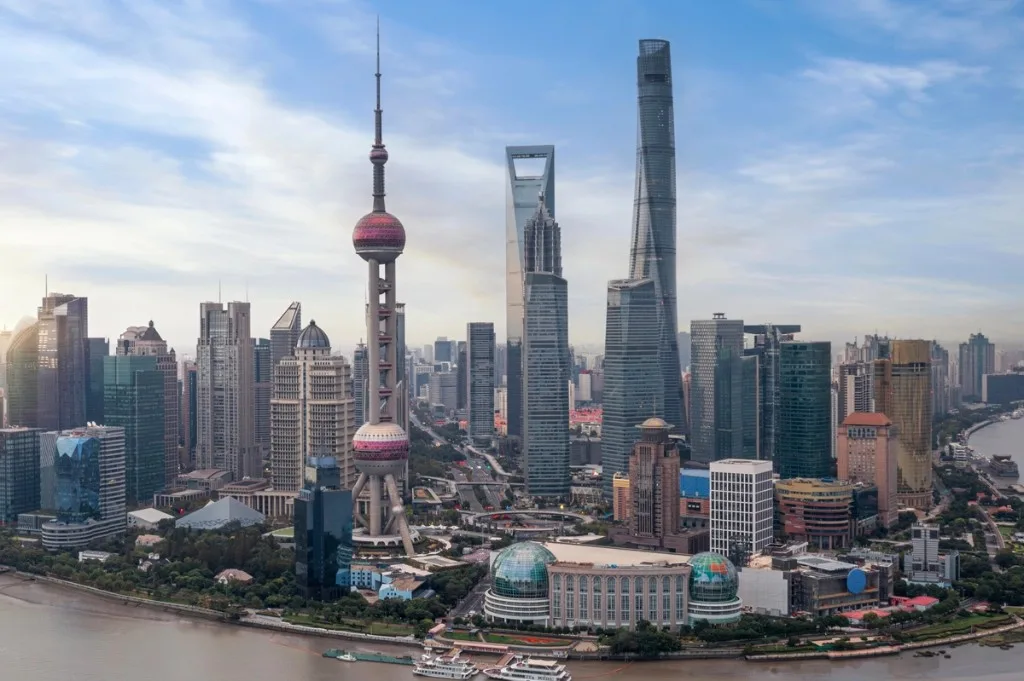 Shanghai Doing business in Shanghai
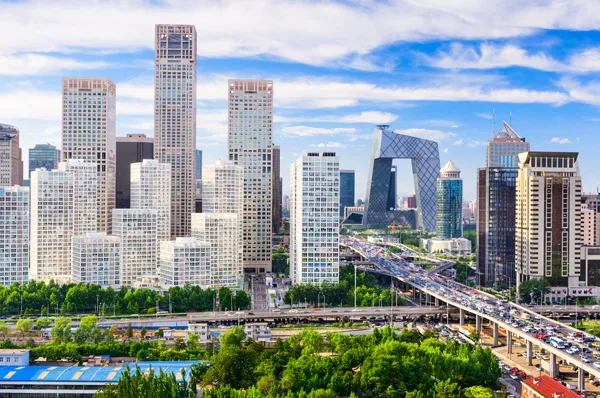 Beijing Doing business in Beijing
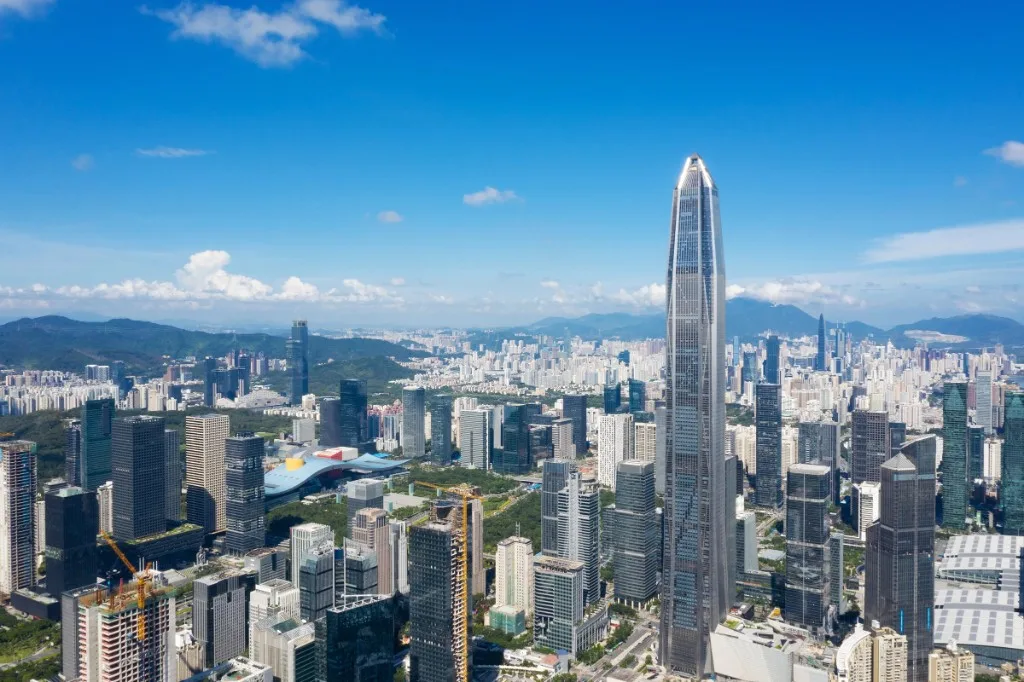 Shenzhen Doing business in Shenzhen
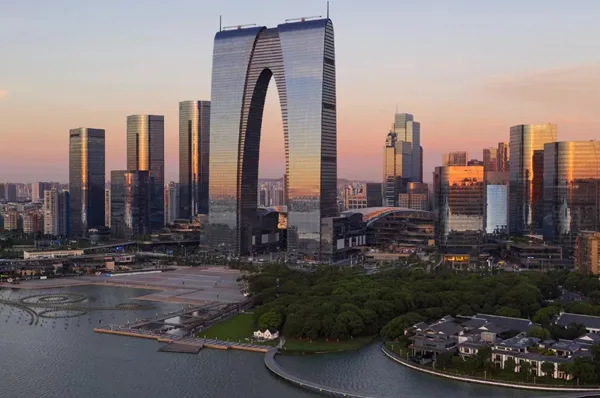 Suzhou Doing business in Suzhou
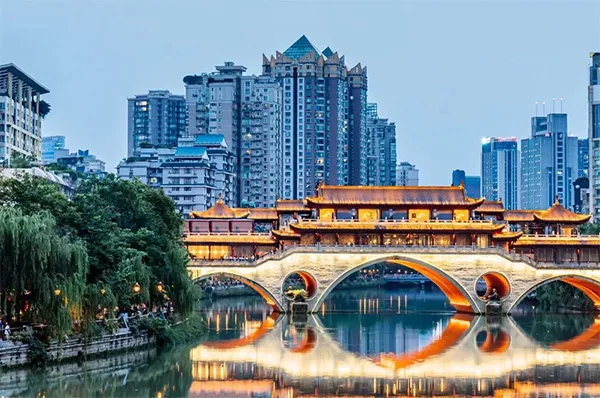 Chengdu Doing business in Chengdu
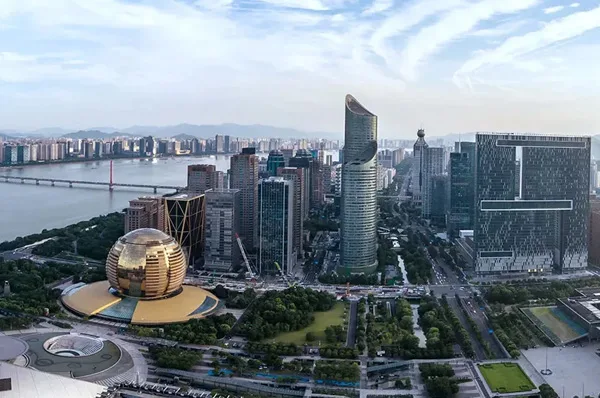 Hangzhou Doing business in Hangzhou
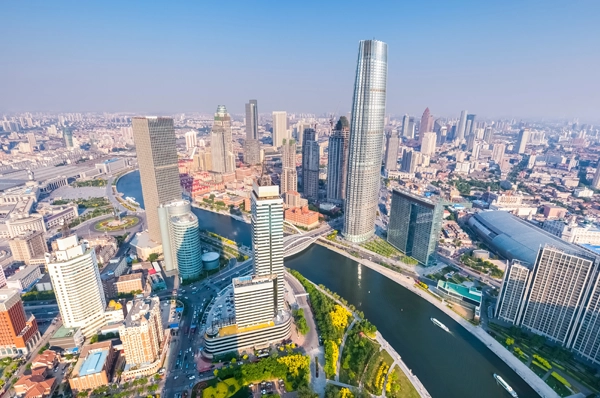 Tianjin Doing business in Tianjin
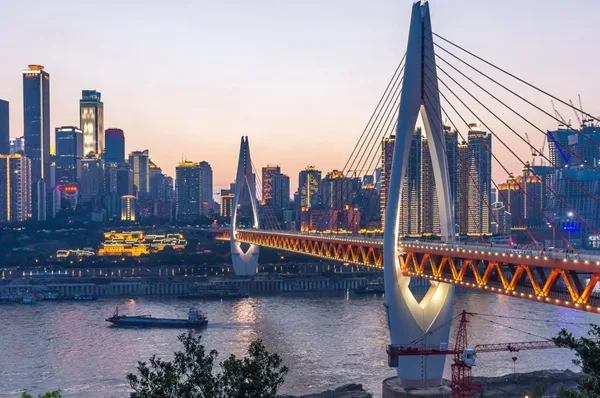 Chongqing Doing business in Chongqing
 Nanjing Doing business in Nanjing
 Wuhan Doing business in Wuhan
 Xi'an Doing business in Xi'an
 Dalian Doing business in Dalian
 Hainan Doing business in Hainan
 Hong Kong Doing business in Hong Kong
Start your Guangzhou business setup
Tell us your target structure and timeline, and we will outline the fastest compliant path for registration, accounting, and HR in Guangzhou.