
Chongqing at a Glance
2025–2026 dataCity economy
- City GDP
- US$482bn
- City GDP
- #4 nationally (2025)
- Population
- 31.9M
- Population
- Chengdu-Chongqing Circle
- Corp. Income Tax
- 25% / 15%
- Corp. Income Tax
- HNTE / Liangjiang
- WFOE Setup
- 6–10 weeks to licence
- WFOE Setup
- Licence to trading ~2–4 months
HR & payroll
- Monthly Min. Wage
- RMB 2,330/mo
- Monthly Min. Wage
- Chongqing municipal rate
- Employer SI Burden
- ~27.4%
- Employer SI Burden
- Excl. housing provident fund
- Employee SI Burden
- ~10.5%
- Employee SI Burden
- Excl. housing provident fund
- Housing Provident Fund
- 5–12% each
- Housing Provident Fund
- Employer & employee, min 5%
Corporate income tax: the standard rate is 25%; qualifying High and New Technology Enterprises (HNTE) and companies in designated zones may be eligible for a reduced 15% rate; confirm with Acadia. Social insurance figures are indicative for the 2025–2026 policy year; rates are recalculated annually by city.
Introduction to Chongqing
Chongqing is positioned as one of China’s key inland manufacturing and logistics hubs, making it a compelling location for foreign companies that operate in cost-sensitive, large-scale industries.
Chongqing provides business incentives such as subsidized land usage, energy support, and tax benefits, alongside logistics incentives tied to rail corridors connecting China to Europe.
Foreign companies with export-oriented manufacturing strategies are increasingly getting established in Chongqing as an alternative to coastal production bases.
Chongqing is one of the largest cities globally and plays a major role in the Yangtze River economic belt.
Industrial leaders such as Changan Automobile are well established in the city and have helped to foster a strong supply chain of automotive and electrical products.
Chongqing Economic Overview
Chongqing, one of China's four directly administered municipalities, recorded a GDP of approximately US$482 billion (RMB 3.38 trillion) in 2025, ranking fourth nationally. With a permanent resident population of nearly 32 million, Chongqing is among the largest city economies in western China and a core city of the Chengdu-Chongqing Twin City Circle. Total trade reached approximately US$114 billion and utilized FDI stood at US$6.4 billion. Chongqing sits at the intersection of the Yangtze River Economic Belt and the China-Europe Railway Express corridor.
Key Industries in Chongqing
Chongqing is China’s largest manufacturer and exporter of laptop computers: in 2021, the municipality exported over 78 million laptops with a total value of RMB 200 billion, achieving 18.7 percent year-on-year growth. It is also China’s largest exporter of fuel motorcycles, with 4.2 million units exported in 2021. The automotive sector is the other major pillar, anchored by Changan Automobile and an extensive supply chain of component manufacturers. Integrated circuits, mobile phones, and tablet computers collectively accounted for 30.6 percent of total exports in 2021 (combined value of approximately RMB 88.7 billion). Smart manufacturing, new energy vehicles, and software and information services are designated high-growth sectors under the Twin City Circle construction plan, which also envisions developing a ‘western financial centre’ function centered on Chongqing’s Yuzhong district, covering cross-border RMB, fintech, and green finance.
Chongqing WFOE Company Registration
Chongqing WFOE registration is processed by the Chongqing Administration for Market Regulation (重庆市市场监督管理局) and district/county AMR (Yuzhong, Jiangbei, Liangjiang New Area, etc.). Liangjiang New Area offers consolidated enterprise establishment services in practice alongside AMR filings.
Automotive and heavy industry scopes should align with environmental capacity and park admission rules. River port logistics entities may need additional port operating licences beyond the business licence.
Hiring Employees in Chongqing
Chongqing University, Southwest University, and Chongqing University of Posts and Telecommunications supply automotive electronics, manufacturing IT, and logistics talent. Employer social insurance and housing fund follow Chongqing schedules (rates and caps update periodically; Liangjiang may publish local guides). Inland wage levels are often below Shanghai with growing senior‑role premiums.
Social Insurance Rates for Chongqing
2025–2026 policy year| Category | Employer | Employee |
|---|---|---|
| Pension | 16% | 8% |
| Medical insurance | 10% | 2% |
| Unemployment insurance | 0.5% | 0.5% |
| Work injury insurance | 0.4% | — |
| Maternity insurance | 0.5% | — |
| Sub-total (excl. housing fund) | ~27.4% | ~10.5% |
| Housing provident fund | 5–12% | 5–12% |
Rates are indicative for the 2025–2026 policy year. Contributions are calculated on contributable salary capped at approximately 3× the local average monthly wage. Rates, base caps, and the work injury rate (which varies by industry risk category) are recalculated by city annually, typically effective July 1. Confirm current rates before processing payroll. Housing provident fund rates are set individually by each employer within the statutory range; the typical rate shown is the most common employer election.
Employee Salaries in Chongqing
In Chongqing, white-collar and blue-collar employees expect around ¥8,000–9,000 per month. The economy in Chongqing is primarily driven by heavy industry and manufacturing along the Yangtze River. These industries generally pay lower salaries than tech or finance. Despite rapid economic growth in Chongqing, income levels have remained below the eastern cities.
Economic & Free Trade Zones in Chongqing
- China (Chongqing) Pilot Free Trade Zone (core, Xiyong, and Guoyuan port areas)
- Liangjiang New Area (automotive, electronics, and services hub)
- Chongqing High‑Tech Zone and Xiyong microelectronics belt
- Guoyuan Port bonded logistics and multimodal trial zones
Tradeshows & Events in Chongqing
China Smart Expo and automotive supply chain fairs use Chongqing International Expo Center (Yuelai); consumer fairs rotate through Nanping and Jiangbei halls.
Chongqing Infrastructure
Chongqing Jiangbei International Airport (CKG), Yangtze river port system including Guoyuan terminal, extensive metro, and high-speed rail corridors to Chengdu, Guiyang, and Wuhan supporting inland manufacturing distribution.
Other locations we support
Explore city-specific advisory context across China.
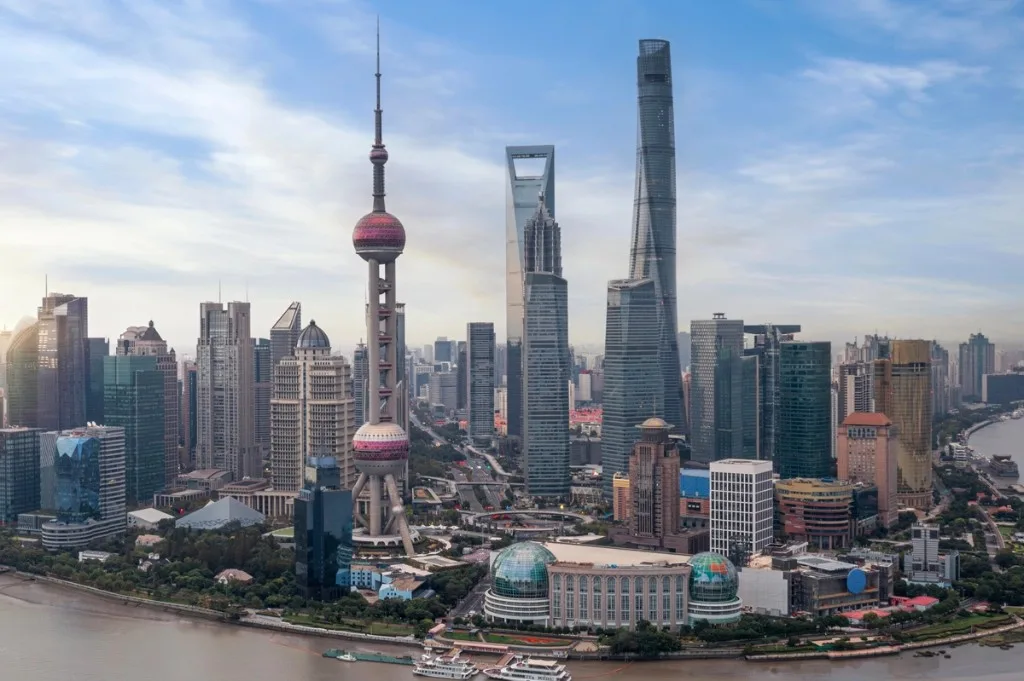 Shanghai Doing business in Shanghai
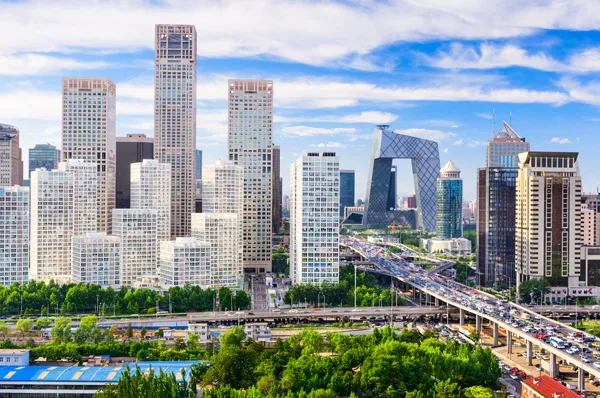 Beijing Doing business in Beijing
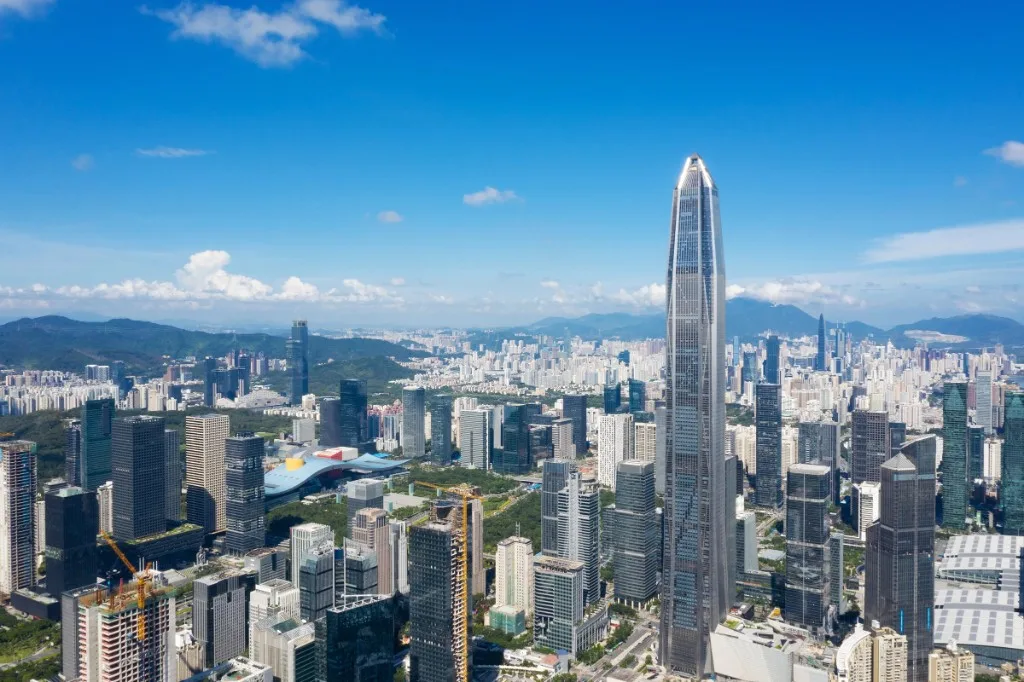 Shenzhen Doing business in Shenzhen
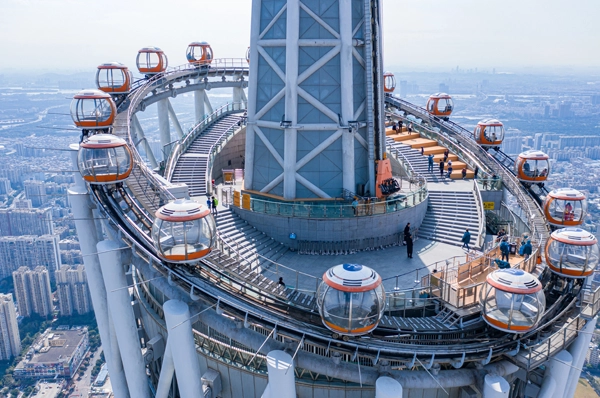 Guangzhou Doing business in Guangzhou
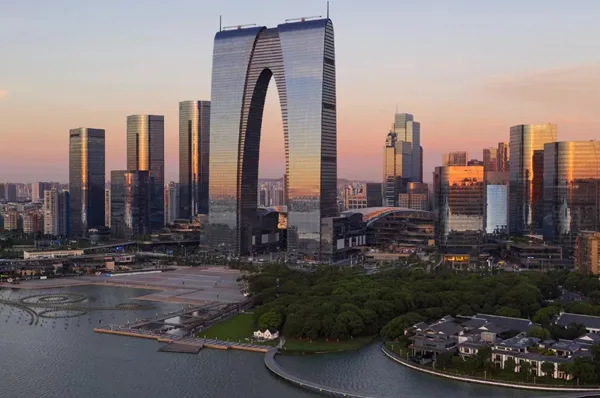 Suzhou Doing business in Suzhou
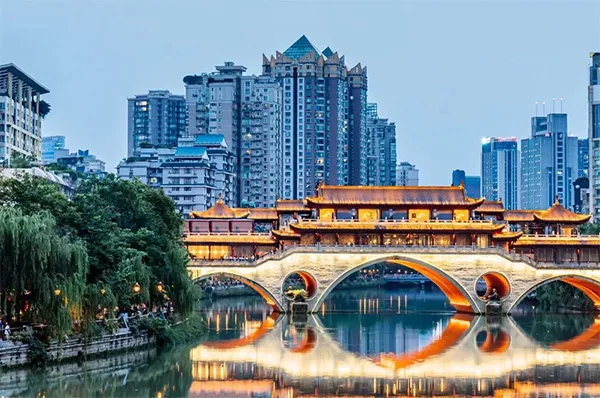 Chengdu Doing business in Chengdu
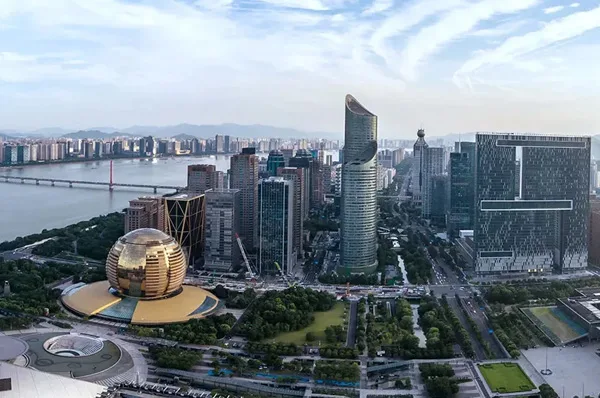 Hangzhou Doing business in Hangzhou
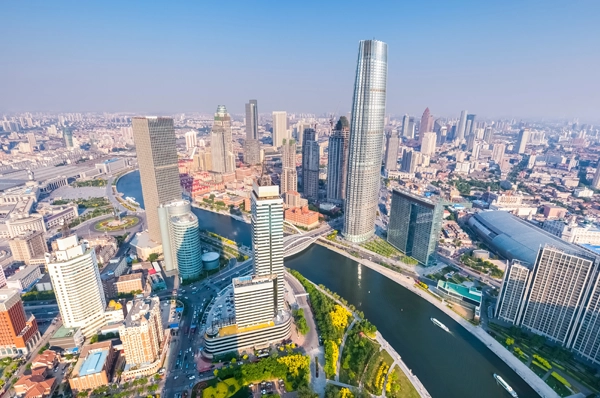 Tianjin Doing business in Tianjin
 Nanjing Doing business in Nanjing
 Wuhan Doing business in Wuhan
 Xi'an Doing business in Xi'an
 Dalian Doing business in Dalian
 Hainan Doing business in Hainan
 Hong Kong Doing business in Hong Kong
Start your Chongqing business setup
Tell us your target structure and timeline, and we will outline the fastest compliant path for registration, accounting, and HR in Chongqing.