
Shanghai at a Glance
2025–2026 dataCity economy
- City GDP
- US$810bn
- City GDP
- #1 nationally (2025)
- Population
- 24.9M
- Population
- Yangtze River Delta
- Corp. Income Tax
- 25% / 15%
- Corp. Income Tax
- Lingang New Area
- WFOE Setup
- 6–10 weeks to licence
- WFOE Setup
- Licence to trading ~2–4 months
HR & payroll
- Monthly Min. Wage
- RMB 2,740/mo
- Monthly Min. Wage
- Shanghai municipal rate
- Employer SI Burden
- ~28%
- Employer SI Burden
- Excl. housing provident fund
- Employee SI Burden
- ~10.5%
- Employee SI Burden
- Excl. housing provident fund
- Housing Provident Fund
- 5–12% each
- Housing Provident Fund
- Employer & employee, min 5%
Corporate income tax: the standard rate is 25%; qualifying High and New Technology Enterprises (HNTE) and companies in designated zones may be eligible for a reduced 15% rate; confirm with Acadia. Social insurance figures are indicative for the 2025–2026 policy year; rates are recalculated annually by city.
Introduction to Shanghai
Shanghai is at the forefront of China’s economic success and openness to foreign investment. Shanghai offers foreign companies that wish to do business in China a combination of financial sophistication and regulatory flexibility.
The Shanghai Free-Trade Zone allows for capital movements, cross-border transactions in RMB, and foreign company ownership. This is particularly attractive to financial services companies.
In our experience, companies that wish to establish a regional China headquarters or manage their Asia-Pacific operations choose to get established in Shanghai for its predictability, global connectivity, and pool of professional talent.
Beyond financial services, Shanghai also has a strategic role in being the world’s busiest shipping container port. This makes Shanghai the gateway for import and export trade between China and the world, bringing together a strong logistics and supply chain industry with financial services.
Capital markets and corporate decision-making converge in Shanghai.
Shanghai Economic Overview
Shanghai is China's largest city economy by GDP, recording approximately US$810 billion (RMB 5.67 trillion) in 2025, ranking first nationally. The city attracted US$16.1 billion in utilized foreign direct investment and handled total goods import-export of approximately US$644 billion, reinforcing its role as China's premier international trade gateway. Shanghai sits at the core of the Yangtze River Delta (YRD) mega-city cluster, which collectively accounts for a large share of China's GDP, FDI utilization, and R&D expenditure.
Key Industries in Shanghai
Financial services and professional services are Shanghai's largest output sectors, with the city serving as China's capital markets, banking, and RMB internationalization hub. In technology, Shanghai leads the YRD's AI industry: the city accounts for over 50 percent of all AI enterprises in the Yangtze River Delta, with key players including SenseTime. The automobile sector is anchored by SAIC Motor (China's largest auto group) and Tesla's Gigafactory Shanghai, which sources over 95 percent of its components from Chinese suppliers. Integrated circuits, biopharmaceuticals, and clean energy are designated priority sectors in the Lingang New Area and Pudong, where qualifying AI, IC, biopharma, and civil aviation enterprises can benefit from a reduced 15 percent corporate income tax rate.
Shanghai WFOE Company Registration
Wholly foreign-owned enterprise (WFOE) registration in Shanghai is processed through the Shanghai Administration for Market Regulation (上海市市场监督管理局) and its district-level branches (区市场监督管理局) where your registered address sits. Foreign-invested enterprise filing is coordinated via the integrated “一窗通” style service windows and the enterprise registration system.
Name pre-approval, articles, capital schedule, and business scope are reviewed in one chain with tax and chop-related steps. Lingang, Zhangjiang, and other zones may add local investment service counters but the legal incorporation authority remains the market supervision system for the chosen district.
Hiring Employees in Shanghai
Shanghai draws graduates from Fudan, Jiao Tong, Tongji, and nearby Suzhou/Nanjing pipelines, giving depth in finance, engineering, and bilingual operations. Gross salary benchmarks for professional roles typically sit above national median; employer social insurance and housing fund bundles are among the higher in China (combined employer burden often in the high‑twenties to low‑thirties percent of capped payroll, subject to annual base caps). IIT is withheld progressively; hukou and talent programmes can matter for retention.
Social Insurance Rates for Shanghai
2025–2026 policy year| Category | Employer | Employee |
|---|---|---|
| Pension | 16% | 8% |
| Medical insurance | 10% | 2% |
| Unemployment insurance | 0.5% | 0.5% |
| Work injury insurance | 0.5% | — |
| Maternity insurance | 1% | — |
| Sub-total (excl. housing fund) | ~28% | ~10.5% |
| Housing provident fund | 5–12% | 5–12% |
Rates are indicative for the 2025–2026 policy year. Contributions are calculated on contributable salary capped at approximately 3× the local average monthly wage. Rates, base caps, and the work injury rate (which varies by industry risk category) are recalculated by city annually, typically effective July 1. Confirm current rates before processing payroll. Housing provident fund rates are set individually by each employer within the statutory range; the typical rate shown is the most common employer election.
Employee Salaries in Shanghai
The average salary in Shanghai is about ¥16,000–16,500 per month. As China’s financial capital and an international business hub, Shanghai offers attractive salaries to both local employees and expats, driven by finance, consulting, and multinational corporations. Living expenses in Shanghai are significantly higher than in other cities, making higher salaries essential to hiring talent.
Economic & Free Trade Zones in Shanghai
- China (Shanghai) Pilot Free Trade Zone (including Lingang New Area)
- Hongqiao International Central Business District (linked to opening and trade services)
- Zhangjiang National Innovation Demonstration Zone (R&D and high-tech concentration)
- Yangshan and Waigaoqiao port-linked logistics belts
Tradeshows & Events in Shanghai
Major recurring events include the China International Import Expo (CIIE) at the National Exhibition and Convention Center (NECC), Automechanika Shanghai, SNEC for solar/energy, and numerous consumer and industrial fairs rotated through NECC, SNIEC, and SWEECC. Shanghai New International Expo Centre (SNIEC) and Shanghai World Expo Exhibition & Convention Center host large-scale B2B shows year-round.
Shanghai Infrastructure
Shanghai is served by Pudong (PVG) and Hongqiao (SHA) international airports, the world’s largest container throughput via Yangshan Deep Water Port linked to Waigaoqiao, dense metro and suburban rail, and high-speed rail hubs at Hongqiao and Shanghai railway station connecting Beijing, Hangzhou, Nanjing, and beyond.
Other locations we support
Explore city-specific advisory context across China.
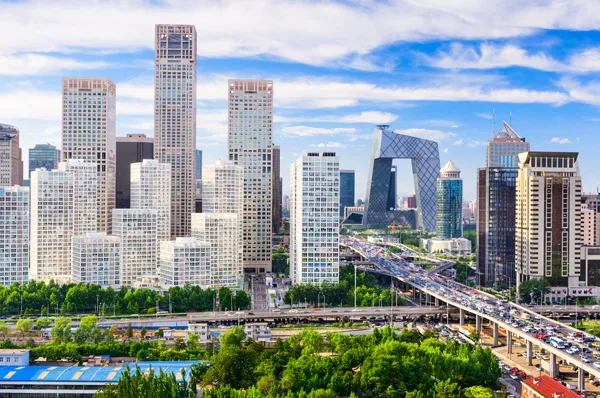 Beijing Doing business in Beijing
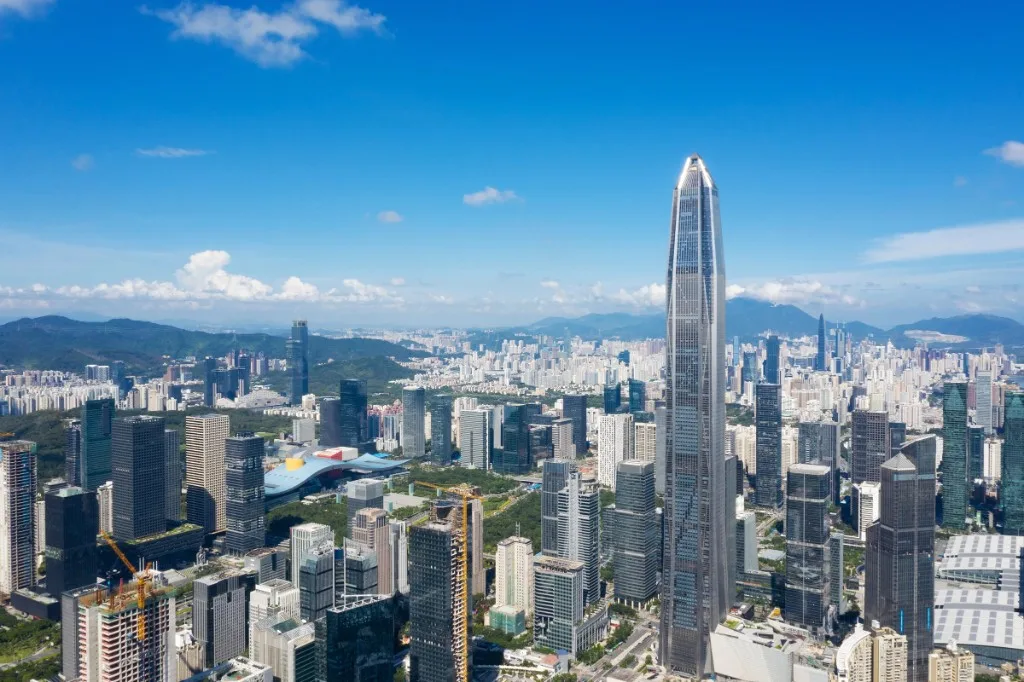 Shenzhen Doing business in Shenzhen
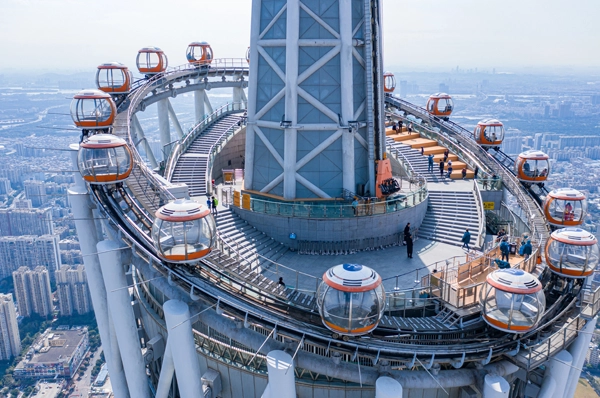 Guangzhou Doing business in Guangzhou
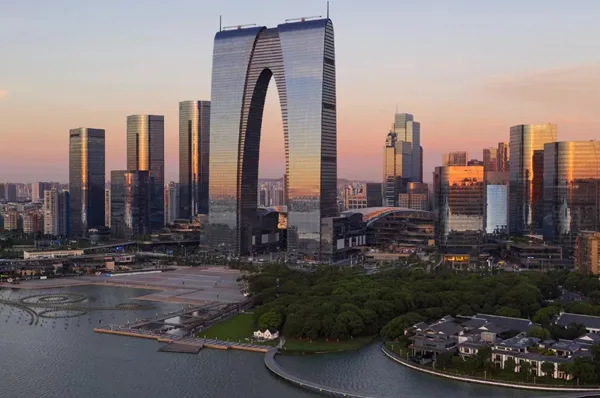 Suzhou Doing business in Suzhou
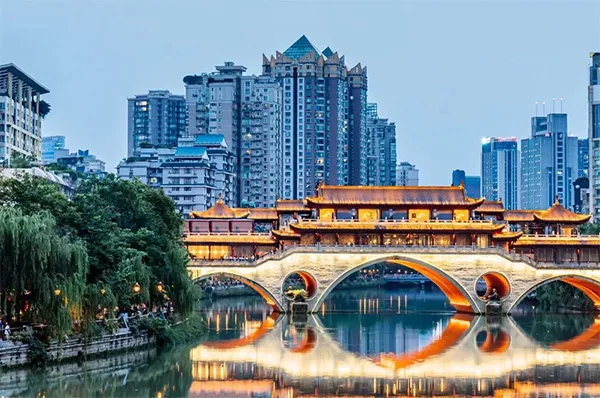 Chengdu Doing business in Chengdu
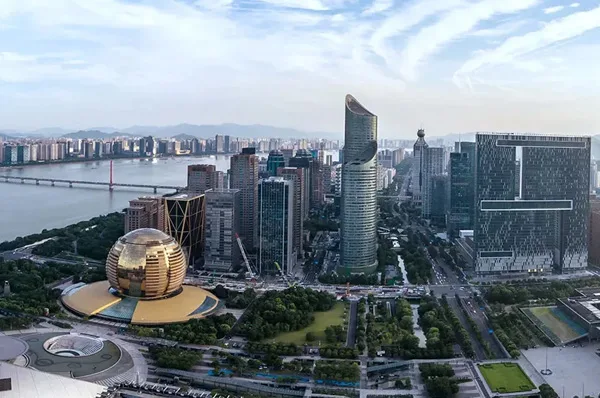 Hangzhou Doing business in Hangzhou
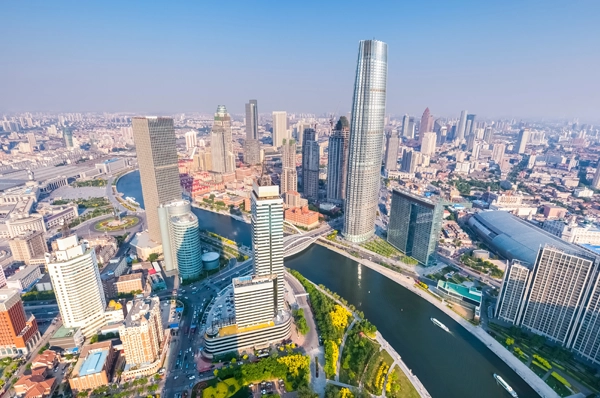 Tianjin Doing business in Tianjin
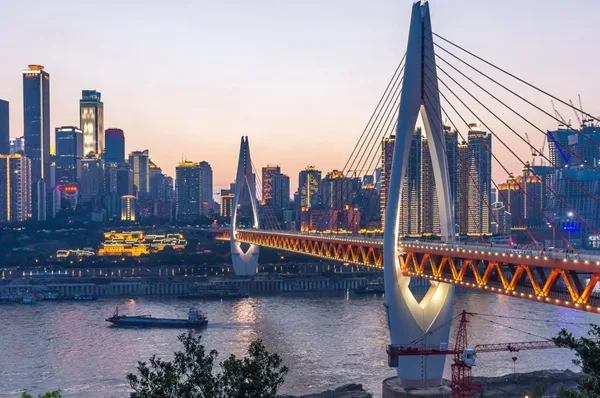 Chongqing Doing business in Chongqing
 Nanjing Doing business in Nanjing
 Wuhan Doing business in Wuhan
 Xi'an Doing business in Xi'an
 Dalian Doing business in Dalian
 Hainan Doing business in Hainan
 Hong Kong Doing business in Hong Kong
Start your Shanghai business setup
Tell us your target structure and timeline, and we will outline the fastest compliant path for registration, accounting, and HR in Shanghai.