
Hangzhou at a Glance
2025–2026 dataCity economy
- City GDP
- US$329bn
- City GDP
- #8 nationally (2025)
- Population
- 12.7M
- Population
- Yangtze River Delta
- Corp. Income Tax
- 25% / 15%
- Corp. Income Tax
- HNTE / Binjiang
- WFOE Setup
- 6–10 weeks to licence
- WFOE Setup
- Licence to trading ~2–4 months
HR & payroll
- Monthly Min. Wage
- RMB 2,660/mo
- Monthly Min. Wage
- Hangzhou municipal rate
- Employer SI Burden
- ~24.3%
- Employer SI Burden
- Excl. housing provident fund
- Employee SI Burden
- ~10.5%
- Employee SI Burden
- Excl. housing provident fund
- Housing Provident Fund
- 5–12% each
- Housing Provident Fund
- Employer & employee, min 5%
Corporate income tax: the standard rate is 25%; qualifying High and New Technology Enterprises (HNTE) and companies in designated zones may be eligible for a reduced 15% rate; confirm with Acadia. Social insurance figures are indicative for the 2025–2026 policy year; rates are recalculated annually by city.
Introduction to Hangzhou
Hangzhou is often first on the list for foreign companies that operate in the digital economy, supported by targeted incentives for e-commerce, fintech, AI and cloud computing.
The presence of the Alibaba Group in Hangzhou has helped develop a sophisticated ecosystem of digital logistics, payment systems, and data services.
Beyond its cultural landmark of West Lake, Hangzhou offers foreign companies a well-established integrated digital infrastructure. For foreign companies, this directly translates into faster market entry and access to one of China’s most advanced consumer platforms.
We often recommend Hangzhou as a strategic base for digital-first business models that target both domestic and global markets.
Hangzhou Economic Overview
Hangzhou recorded a GDP of approximately US$329 billion (RMB 2.30 trillion) in 2025, ranking eighth nationally and among the largest city economies in the Yangtze River Delta. The city attracted US$5.0 billion in utilized FDI, underscoring its attractiveness as a digital economy hub. Total trade reached approximately US$130 billion. Hangzhou was designated the site of China's first cross-border e-commerce (CBEC) comprehensive pilot zone in 2015; Zhejiang province now hosts multiple CBEC pilot zones, providing Hangzhou-based exporters and importers a nationally tested framework for customs clearance, logistics, and tax handling for international e-commerce flows.
Key Industries in Hangzhou
E-commerce, cloud computing, and fintech are Hangzhou's leading technology sectors, anchored by Alibaba Group's global headquarters and its associated ecosystem of logistics, payment, and data services companies. Beyond the Alibaba complex, the city hosts software, AI, and cybersecurity firms across the Binjiang High-Tech Zone and Future Sci-Tech City. Digital economy industries (AI, cloud, fintech, and big data) consistently receive priority policy support from Zhejiang province, including talent attraction grants and R&D cost subsidies. Cross-border e-commerce export facilitation, including single-window customs clearance and simplified VAT reclaim processing, makes Hangzhou a preferred base for brands building international digital sales channels. Biopharmaceuticals, green manufacturing, and advanced materials are growing diversification sectors.
Hangzhou WFOE Company Registration
Hangzhou WFOE registration routes through the Hangzhou Administration for Market Regulation (杭州市市场监督管理局) or district AMR (Gongshu, Xihu, Binjiang, Xiaoshan, Yuhang, Qiantang, etc.). Future Sci‑Tech City and Binjiang zones offer auxiliary enterprise service desks.
E‑commerce and platform-related scopes should align with Zhejiang digital economy rules and tax classification. Data and algorithmic services may trigger additional filings beyond core AMR registration.
Hiring Employees in Hangzhou
Zhejiang University, Zhejiang University of Technology, and Hangzhou Dianzi University feed ecommerce, cloud, and fintech talent. Employer social insurance and housing fund follow Zhejiang/Hangzhou tables (Hangzhou housing fund rates have seen policy tuning; verify current year notices). Salaries for product and growth roles track high due to Alibaba ecosystem spillover.
Social Insurance Rates for Hangzhou
2025–2026 policy year| Category | Employer | Employee |
|---|---|---|
| Pension | 14% | 8% |
| Medical insurance | 9.5% | 2% |
| Unemployment insurance | 0.5% | 0.5% |
| Work injury insurance | 0.3% | — |
| Sub-total (excl. housing fund) | ~24.3% | ~10.5% |
| Housing provident fund | 5–12% | 5–12% |
ⓘ Maternity insurance was merged into medical insurance in Zhejiang province from May 2024.
Rates are indicative for the 2025–2026 policy year. Contributions are calculated on contributable salary capped at approximately 3× the local average monthly wage. Rates, base caps, and the work injury rate (which varies by industry risk category) are recalculated by city annually, typically effective July 1. Confirm current rates before processing payroll. Housing provident fund rates are set individually by each employer within the statutory range; the typical rate shown is the most common employer election.
Employee Salaries in Hangzhou
Employee salaries in Hangzhou are on average between ¥13,000–14,000 per month. Hangzhou benefits from a strong digital and technology ecosystem as the home of Alibaba Group, which helps drive demand for higher salaries. The presence of other major e-commerce and fintech platforms and a healthy startup scene boosts compensation and competition for talent, making it one of the highest-paying non–Tier 1 cities.
Economic & Free Trade Zones in Hangzhou
- China (Zhejiang) Pilot Free Trade Zone - Hangzhou Area (digital trade and cross‑border focus)
- Hangzhou High‑Tech (Binjiang) Zone
- Qiantang New Area advanced manufacturing and R&D belt
- Future Sci‑Tech City and Alibaba Cloud HQ cluster
Tradeshows & Events in Hangzhou
Cloud Computing Conference and Alibaba‑adjacent tech summits, China International Tea Expo, and Auto China satellite events sometimes partner Hangzhou venues; Hangzhou International Expo Center and Hangzhou Olympic Sports Expo Center host large fairs.
Hangzhou Infrastructure
Hangzhou Xiaoshan International Airport (HGH), high-speed rail via Hangzhou East to Shanghai and Ningbo, inland waterway connections on the Grand Canal, and metro expansion into Yuhang/Lin’an for campus and logistics access.
Other locations we support
Explore city-specific advisory context across China.
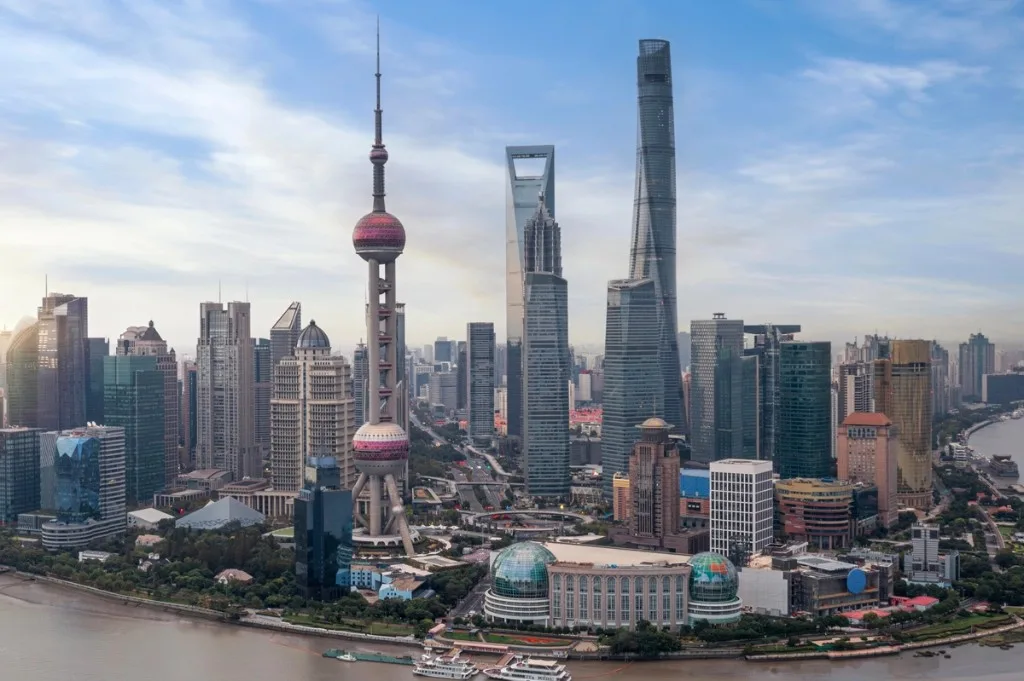 Shanghai Doing business in Shanghai
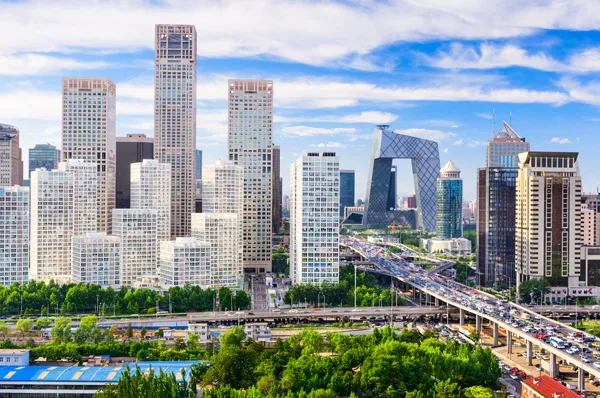 Beijing Doing business in Beijing
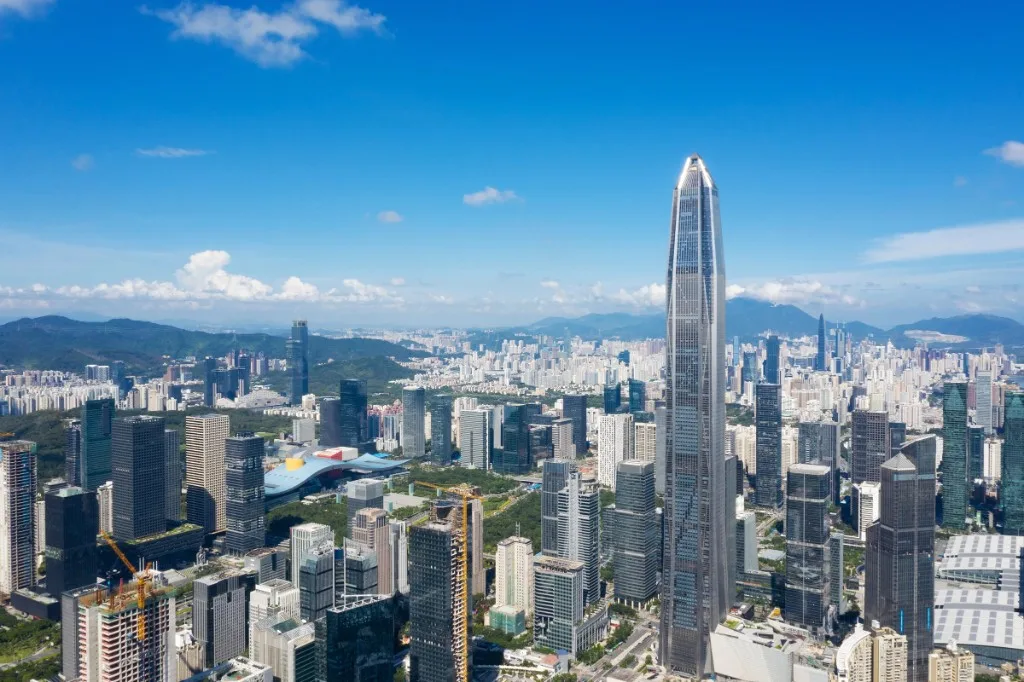 Shenzhen Doing business in Shenzhen
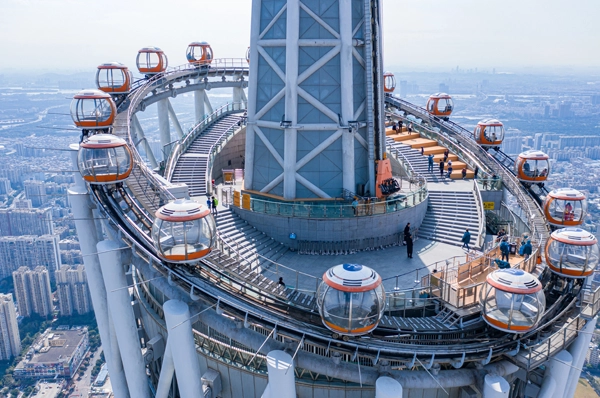 Guangzhou Doing business in Guangzhou
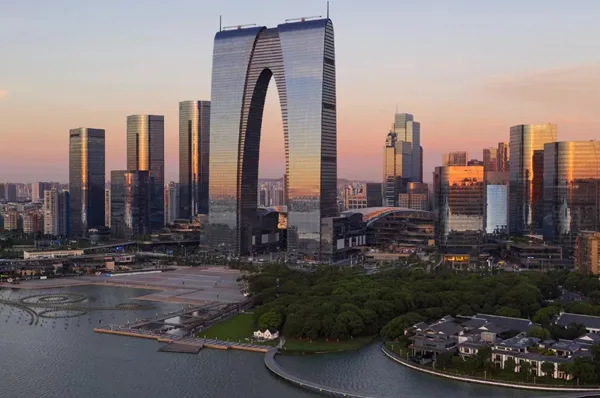 Suzhou Doing business in Suzhou
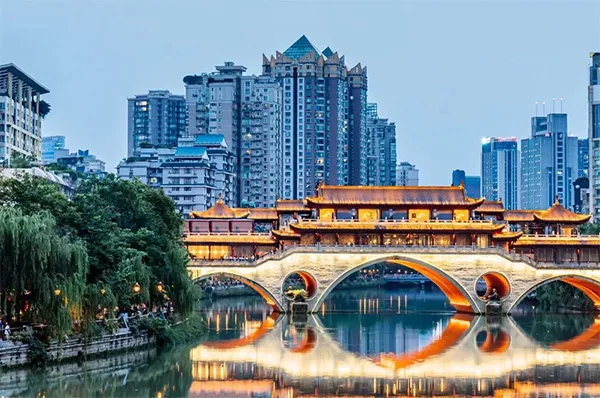 Chengdu Doing business in Chengdu
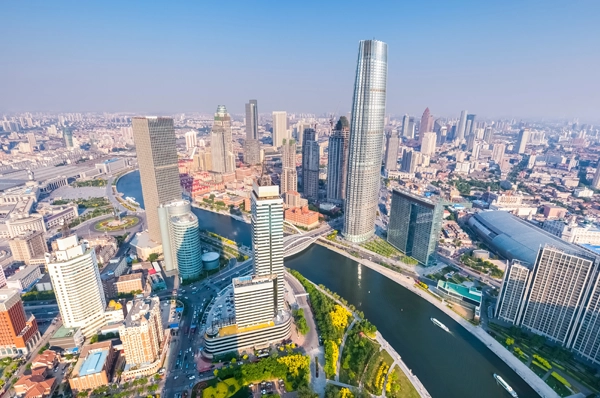 Tianjin Doing business in Tianjin
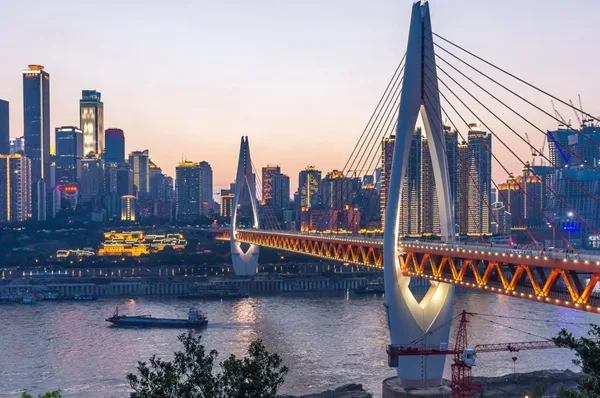 Chongqing Doing business in Chongqing
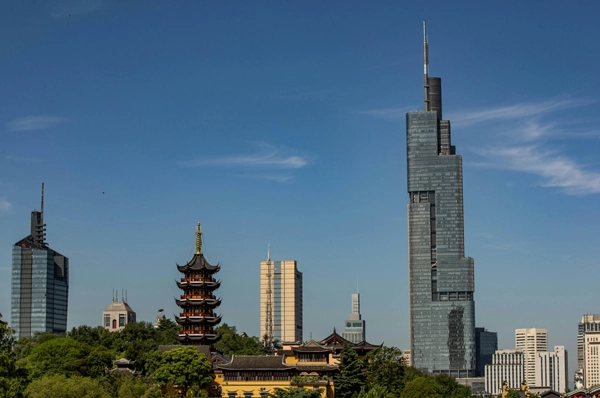 Nanjing Doing business in Nanjing
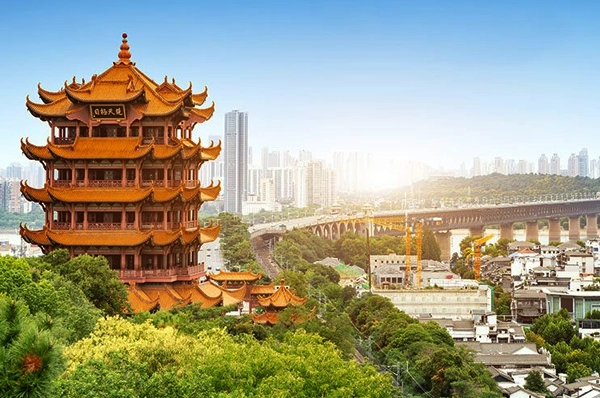 Wuhan Doing business in Wuhan
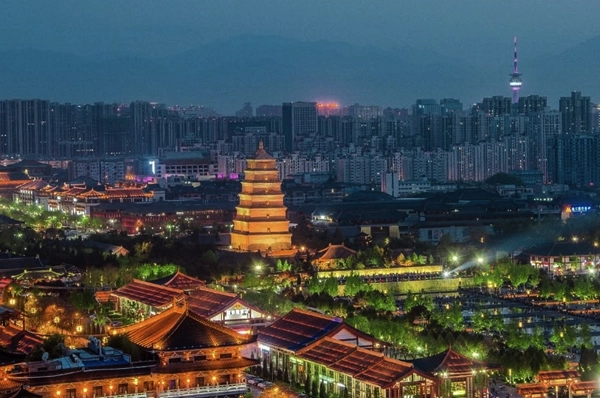 Xi'an Doing business in Xi'an
 Dalian Doing business in Dalian
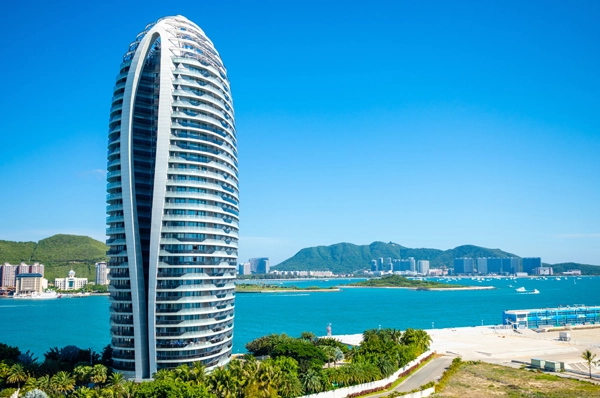 Hainan Doing business in Hainan
 Hong Kong Doing business in Hong Kong
Start your Hangzhou business setup
Tell us your target structure and timeline, and we will outline the fastest compliant path for registration, accounting, and HR in Hangzhou.