
Suzhou at a Glance
2025–2026 dataCity economy
- City GDP
- US$396bn
- City GDP
- #6 nationally (2025)
- Population
- 13M
- Population
- Yangtze River Delta
- Corp. Income Tax
- 25% / 15%
- Corp. Income Tax
- SIP / FTZ zones
- WFOE Setup
- 6–10 weeks to licence
- WFOE Setup
- Licence to trading ~2–4 months
HR & payroll
- Monthly Min. Wage
- RMB 2,660/mo
- Monthly Min. Wage
- Suzhou municipal rate
- Employer SI Burden
- ~25.9%
- Employer SI Burden
- Excl. housing provident fund
- Employee SI Burden
- ~10.5%
- Employee SI Burden
- Excl. housing provident fund
- Housing Provident Fund
- 5–12% each
- Housing Provident Fund
- Employer & employee, min 5%
Corporate income tax: the standard rate is 25%; qualifying High and New Technology Enterprises (HNTE) and companies in designated zones may be eligible for a reduced 15% rate; confirm with Acadia. Social insurance figures are indicative for the 2025–2026 policy year; rates are recalculated annually by city.
Introduction to Suzhou
For many foreign companies, especially European manufacturers, Suzhou stands out as one of the most efficient locations for advanced manufacturing and industrial investment.
The Suzhou Industrial Park provides companies with an efficient environment with tax incentives, subsidized land usage rights, and streamlined administrative processes.
Suzhou consistently ranks among the top foreign investment-friendly cities for manufacturers to establish and scale their operations.
Suzhou’s proximity to Shanghai allows for access to global markets while maintaining lower operational costs.
Major employers in Suzhou, such as Hengli Group, highlight the scale of industrial activity.
Suzhou offers foreign companies an attractive combination of operational efficiency, supply chain infrastructure, and stable policies, making it a preferred base for foreign manufacturers.
Suzhou Economic Overview
Suzhou recorded a GDP of approximately US$396 billion (RMB 2.77 trillion) in 2025, ranking sixth nationally and second-largest in the Yangtze River Delta region. Utilized FDI stood at US$5.8 billion and total trade reached approximately US$402 billion, reflecting Suzhou's position as one of China's most active manufacturing export hubs. The city hosts thousands of foreign-invested enterprises across its industrial parks, with the YRD cluster continuing to attract a large share of China's total FDI and national GDP.
Key Industries in Suzhou
Advanced manufacturing is Suzhou's defining strength, particularly in electronics, semiconductor equipment, precision machinery, biomedicine, and the automobile supply chain. The Suzhou Industrial Park (SIP) is home to R&D centres for global technology leaders including Bosch, which employs approximately 10,000 workers in Suzhou and operates four factories including a research, development, and assembly centre for e-mobility components. Medical devices, advanced materials, robotics, and new energy vehicles are fast-growing sectors. Suzhou's high-tech zone is a node in the YRD's integrated circuit cluster, which the PDF source data indicates accounts for 46.2 percent of China's national semiconductor industry scale. The YRD FTZ framework provides more liberalised policies for foreign investment, streamlined customs clearance, and integrated tax services across Shanghai, Jiangsu, and Zhejiang.
Suzhou WFOE Company Registration
Suzhou WFOE registration is processed by the Suzhou Administration for Market Regulation (苏州市市场监督管理局) or the county/city branch where the site is located (e.g. Suzhou Industrial Park, SND, Wujiang, Kunshan, Taicang, Changshu). SIP maintains popular foreign-invested service counters alongside AMR.
Manufacturing projects often register in SIP, SND, or Kunshan depending on plant location. Environmental and safety pre-reviews may gate scope for industrial entities.
Hiring Employees in Suzhou
Soochow University, Xi’an Jiao-tong‑Liverpool University, and Shanghai commuter talent support advanced manufacturing and R&D. Employer social insurance and housing fund follow Jiangsu/Suzhou policy (rates and caps adjust annually; SIP may publish local service guides). Engineering compensation tracks Shanghai at a modest discount with lower living cost in some districts.
Social Insurance Rates for Suzhou
2025–2026 policy year| Category | Employer | Employee |
|---|---|---|
| Pension | 16% | 8% |
| Medical insurance | 8% | 2% |
| Unemployment insurance | 0.5% | 0.5% |
| Work injury insurance | 0.4% | — |
| Maternity insurance | 1% | — |
| Sub-total (excl. housing fund) | ~25.9% | ~10.5% |
| Housing provident fund | 5–12% | 5–12% |
Rates are indicative for the 2025–2026 policy year. Contributions are calculated on contributable salary capped at approximately 3× the local average monthly wage. Rates, base caps, and the work injury rate (which varies by industry risk category) are recalculated by city annually, typically effective July 1. Confirm current rates before processing payroll. Housing provident fund rates are set individually by each employer within the statutory range; the typical rate shown is the most common employer election.
Employee Salaries in Suzhou
Average salaries in Suzhou are currently around ¥11,000–12,000 per month. Despite its proximity to Shanghai, the economy in Suzhou is heavily based on advanced manufacturing and industrial parks with a strong foreign investment presence. While productivity in Suzhou is high, manufacturing salaries are generally lower than in tech or finance, keeping salaries solid but not top-tier.
Economic & Free Trade Zones in Suzhou
- China (Jiangsu) Pilot Free Trade Zone - Suzhou Area (often linked to SIP/SND)
- Suzhou Industrial Park (SIP) comprehensive opening belt
- Suzhou New District (SND) and Xiangcheng industrial belts
- Kunshan and Taicang export manufacturing corridors
Tradeshows & Events in Suzhou
Suzhou Industrial Park Exhibition Center and Suzhou International Expo Center host machinery, medical device, and nanotech events; many exhibitors also use Shanghai SNIEC for scale shows while keeping HQ in Suzhou.
Suzhou Infrastructure
Sunan Shuofang International Airport (Wuxi/Suzhou shared catchment), high-speed rail Suzhou North/Suzhou Industrial Park stations to Shanghai Hongqiao in tens of minutes, inland waterway links to Shanghai port, and dense highway mesh.
Other locations we support
Explore city-specific advisory context across China.
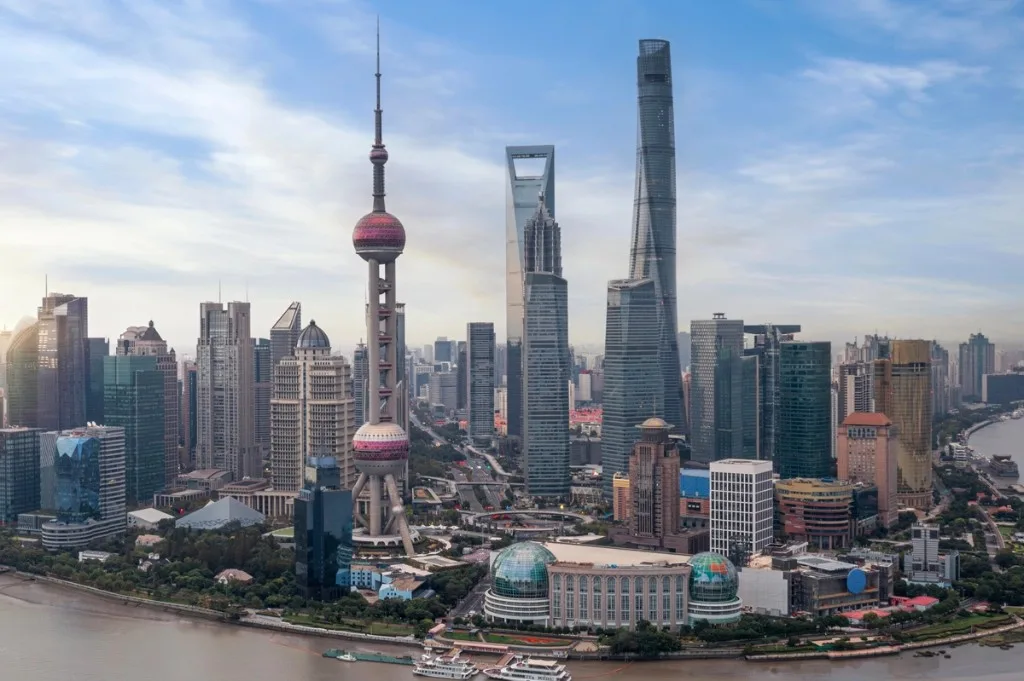 Shanghai Doing business in Shanghai
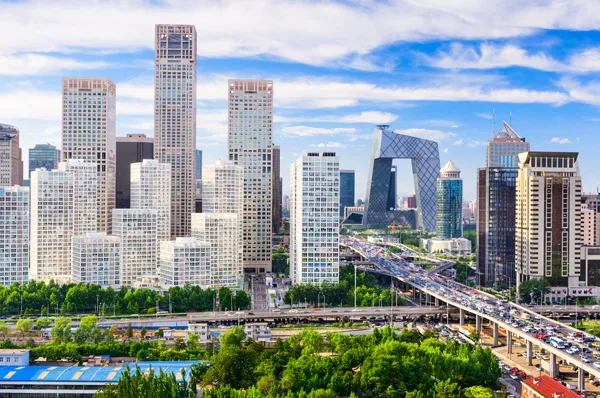 Beijing Doing business in Beijing
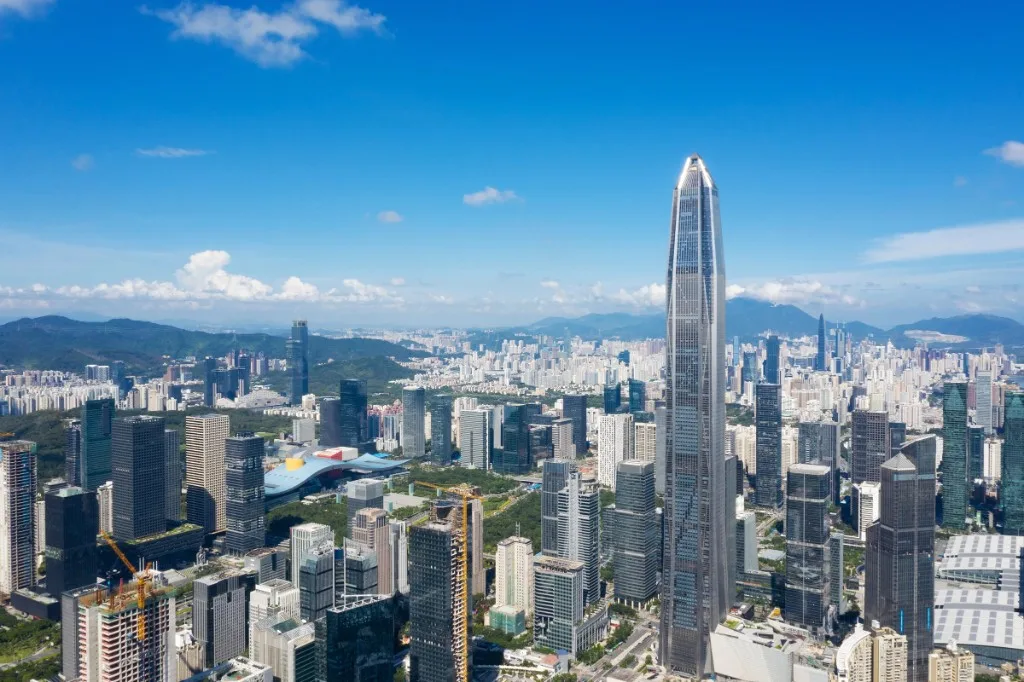 Shenzhen Doing business in Shenzhen
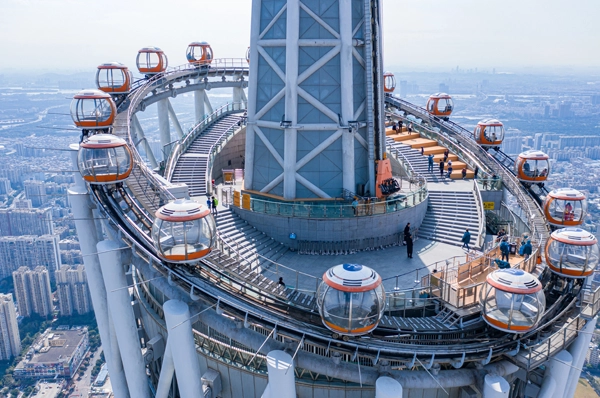 Guangzhou Doing business in Guangzhou
 Chengdu Doing business in Chengdu
 Hangzhou Doing business in Hangzhou
 Tianjin Doing business in Tianjin
 Chongqing Doing business in Chongqing
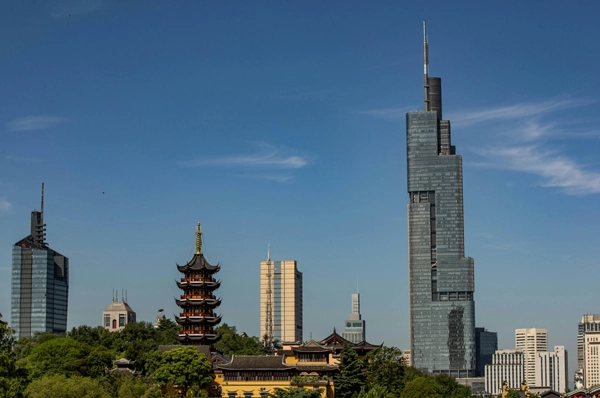 Nanjing Doing business in Nanjing
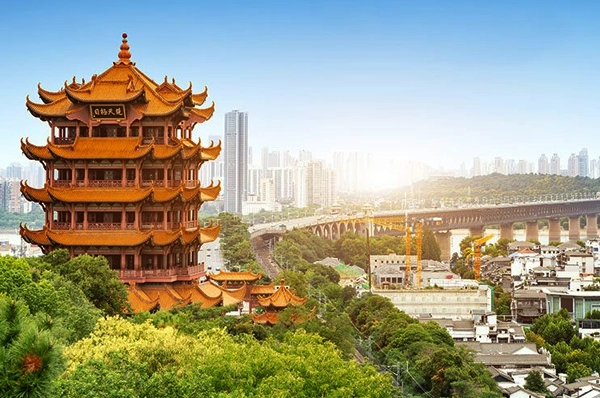 Wuhan Doing business in Wuhan
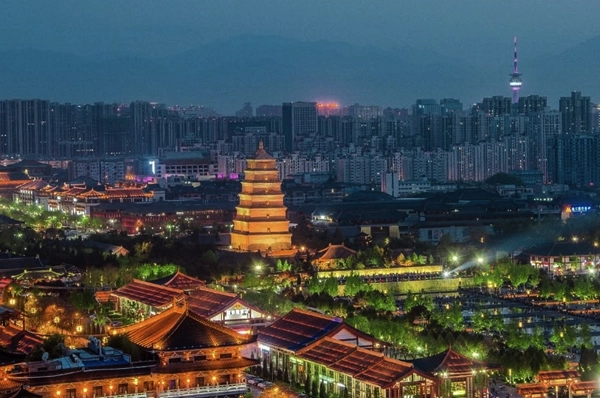 Xi'an Doing business in Xi'an
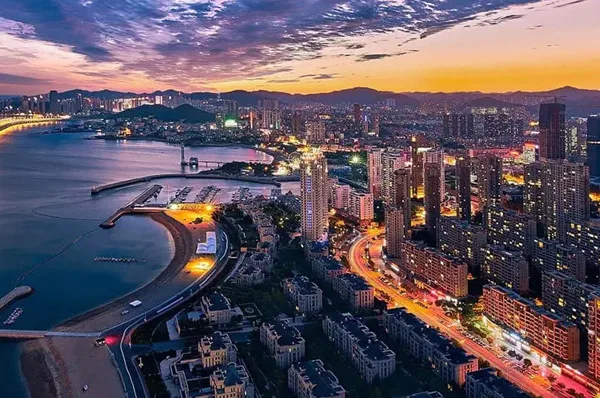 Dalian Doing business in Dalian
 Hainan Doing business in Hainan
 Hong Kong Doing business in Hong Kong
Start your Suzhou business setup
Tell us your target structure and timeline, and we will outline the fastest compliant path for registration, accounting, and HR in Suzhou.