
Beijing at a Glance
2025–2026 dataCity economy
- City GDP
- US$744bn
- City GDP
- #2 nationally (2025)
- Population
- 21.8M
- Population
- Jing-Jin-Ji
- Corp. Income Tax
- 25% / 15%
- Corp. Income Tax
- HNTE / Yizhuang
- WFOE Setup
- 8–12 weeks to licence
- WFOE Setup
- Licence to trading ~2–4 months
HR & payroll
- Monthly Min. Wage
- RMB 2,540/mo
- Monthly Min. Wage
- Beijing municipal rate
- Employer SI Burden
- ~27.7%
- Employer SI Burden
- Excl. housing provident fund
- Employee SI Burden
- ~10.5%
- Employee SI Burden
- Excl. housing provident fund
- Housing Provident Fund
- 5–12% each
- Housing Provident Fund
- Employer & employee, min 5%
Corporate income tax: the standard rate is 25%; qualifying High and New Technology Enterprises (HNTE) and companies in designated zones may be eligible for a reduced 15% rate; confirm with Acadia. Social insurance figures are indicative for the 2025–2026 policy year; rates are recalculated annually by city.
Introduction to Beijing
Beijing is China’s political powerhouse and innovation hub, making it home to companies operating in highly regulated, sensitive, and strategic sectors.
The Zhongguancun innovation corridor grants foreign companies access to R&D benefits, tax incentives, and direct access to talent and collaboration with leading universities.
Foreign firms that operate in sectors such as AI, biotech, and fintech can gain from being embedded in Beijing’s policy-driven innovation ecosystem.
Operating within proximity to China’s central government and institutions that shape market access in sensitive sectors such as energy, healthcare, and telecommunications is not only beneficial but essential for foreign-invested companies.
For foreign investors, Beijing is not just a region or a market to operate in. Beijing is where key policies are made and where capital and innovation come together, setting the direction for the rest of the country.
Beijing Economic Overview
Beijing recorded a GDP of approximately US$744 billion (RMB 5.21 trillion) in 2025, making it the second-largest city economy in China. Services account for the overwhelming majority of Beijing's local GDP, reflecting its role as the country's political, financial, and technology capital. The city attracted US$6.9 billion in utilized FDI and total trade reached approximately US$456 billion. Beijing hosts a dense concentration of technology unicorns and consistently ranks in the top tier of global innovation ecosystem rankings.
Key Industries in Beijing
Technology is Beijing's defining sector: the city hosts over 1,000 AI-focused businesses concentrated in Zhongguancun Science Park (Haidian district), and the municipal government has committed US$2.1 billion to a dedicated AI innovation park capable of housing up to 400 AI start-ups. Financial services, software, petrochemicals, and pharmaceuticals round out the key sectors. In the Beijing Economic and Technological Development Zone (Yizhuang), companies undertaking R&D projects linked to Beijing's non-capital function relocation receive 50 percent financing for R&D expenditure, with one-time rewards of up to RMB 10 million for national-level innovation and engineering research centres. Key industries per the Jing-Jin-Ji plan include new energy vehicles, education, R&D services, and professional services.
Beijing WFOE Company Registration
Beijing WFOE establishment filings route through the Beijing Municipal Administration for Market Regulation (北京市市场监督管理局) and the district market supervision bureau (区市场监督管理局) responsible for the registered address. Coordinated windows also link tax, statistics, and foreign exchange reporting onboarding.
Zhongguancun and municipal industrial guidance can influence scope wording for tech and R&D entities. Complex district rules on commercial property use mean lease suitability for registration should be confirmed before signing.
Hiring Employees in Beijing
Tsinghua, Peking University, Renmin, BIT, and UIBE supply strong engineering, policy, and finance talent; multilingual hires are competitive. Employer social insurance and housing fund rates reflect capital-city policy (employer combined burden typically material vs smaller cities; exact splits and caps update annually). Graduate starting salaries for tech roles trend high; retention often ties to hukou and housing support.
Social Insurance Rates for Beijing
2025–2026 policy year| Category | Employer | Employee |
|---|---|---|
| Pension | 16% | 8% |
| Medical insurance | 10% | 2% |
| Unemployment insurance | 0.5% | 0.5% |
| Work injury insurance | 0.4% | — |
| Maternity insurance | 0.8% | — |
| Sub-total (excl. housing fund) | ~27.7% | ~10.5% |
| Housing provident fund | 5–12% | 5–12% |
Rates are indicative for the 2025–2026 policy year. Contributions are calculated on contributable salary capped at approximately 3× the local average monthly wage. Rates, base caps, and the work injury rate (which varies by industry risk category) are recalculated by city annually, typically effective July 1. Confirm current rates before processing payroll. Housing provident fund rates are set individually by each employer within the statutory range; the typical rate shown is the most common employer election.
Employee Salaries in Beijing
In Beijing, the average salary is between ¥16,500–17,000 per month. Beijing, being China’s political center and innovation hub, hosts major tech firms and well-funded state-owned enterprises. High-value industries often decide to operate in Beijing, and policy influence drives salaries. For employees themselves, intense competition and higher living costs can offset the advantage of a higher salary.
Economic & Free Trade Zones in Beijing
- China (Beijing) Pilot Free Trade Zone (multi‑sector innovation and services focus)
- Zhongguancun Science Park (technology and venture concentration)
- Beijing Economic‑Technological Development Area (Yizhuang) for advanced manufacturing
- Tongzhou sub‑center logistics and services belt
Tradeshows & Events in Beijing
China International Fair for Trade in Services (CIFTIS) is a flagship Beijing event; other large fairs use China International Exhibition Center (CIEC) halls, National Convention Center near Olympic Park, and newer venues in Shunyi. Industry summits in Zhongguancun fill the calendar for software and semiconductors.
Beijing Infrastructure
Beijing Capital (PEK) and Beijing Daxing (PKX) international airports, extensive metro and suburban rail, and high-speed rail from Beijing North/Beijing West/Fengtai linking Shanghai, Xi’an, Guangzhou, and Harbin directions. Tianjin Xingang and Caofeidian are reachable for sea‑cargo coordination.
Other locations we support
Explore city-specific advisory context across China.
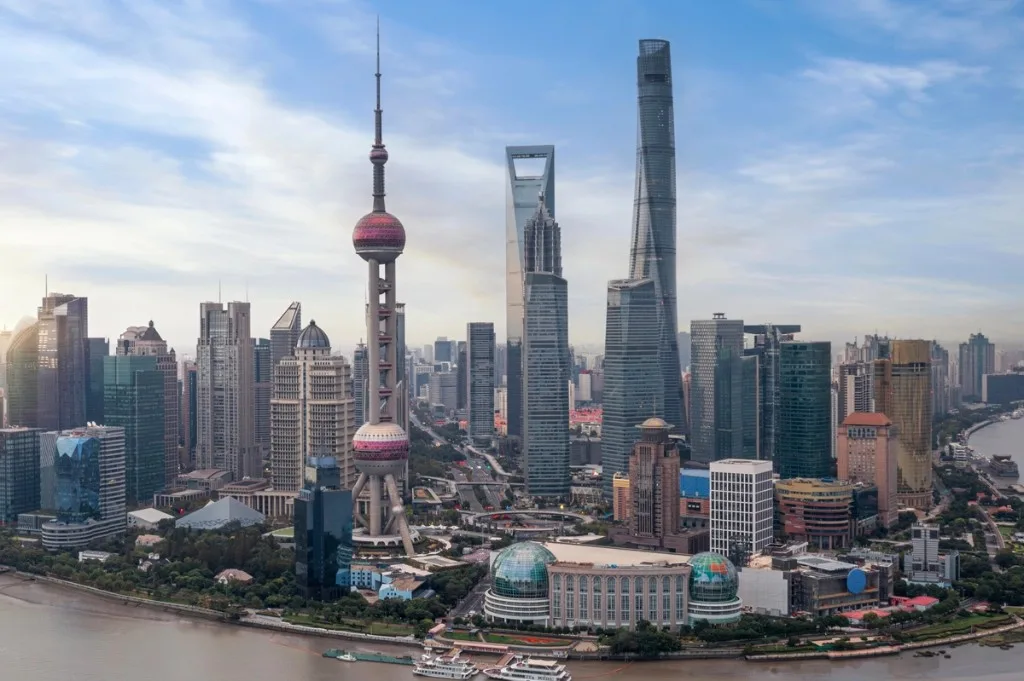 Shanghai Doing business in Shanghai
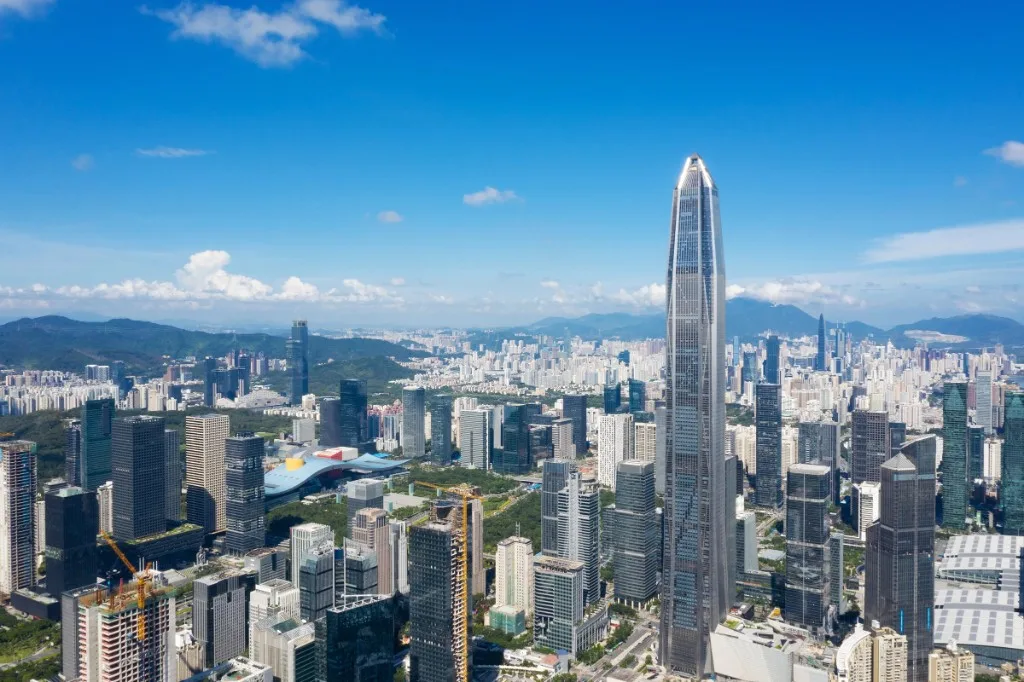 Shenzhen Doing business in Shenzhen
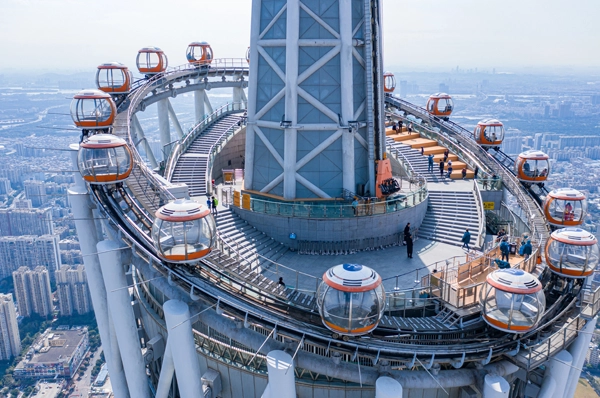 Guangzhou Doing business in Guangzhou
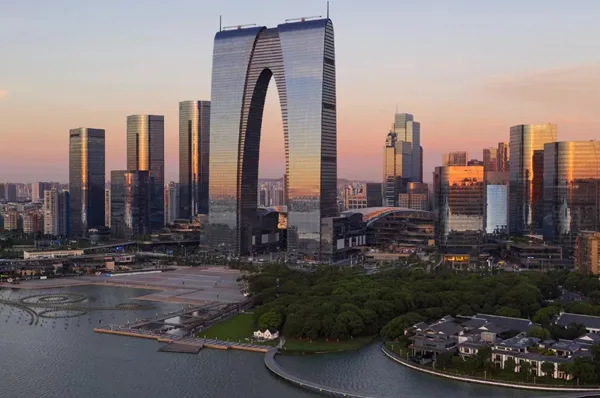 Suzhou Doing business in Suzhou
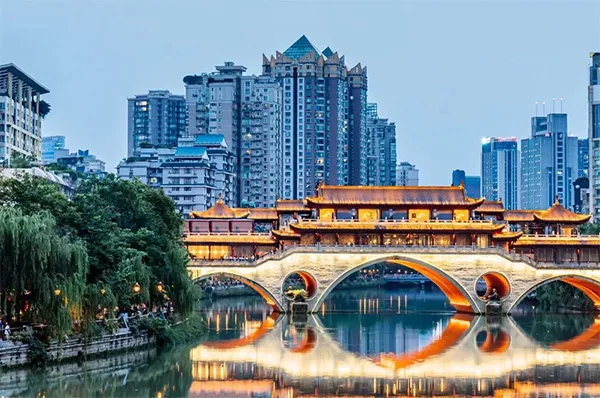 Chengdu Doing business in Chengdu
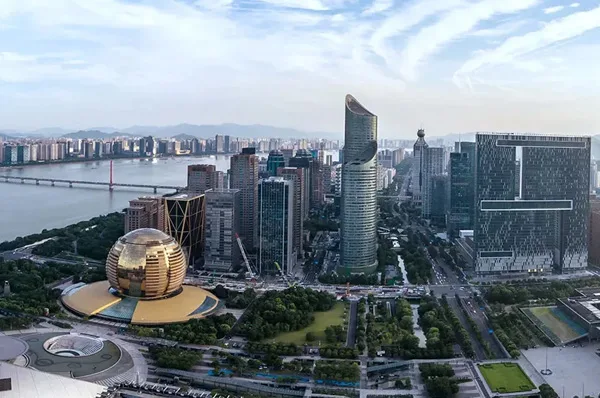 Hangzhou Doing business in Hangzhou
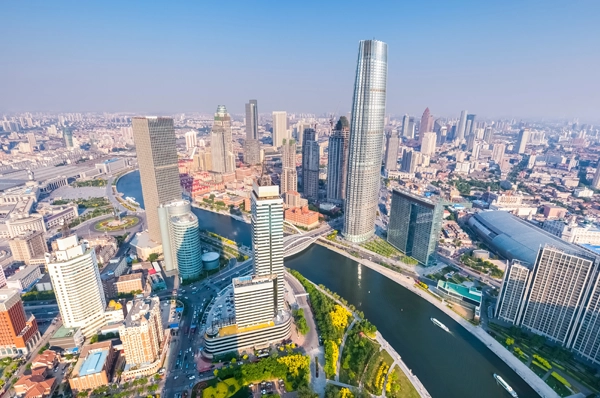 Tianjin Doing business in Tianjin
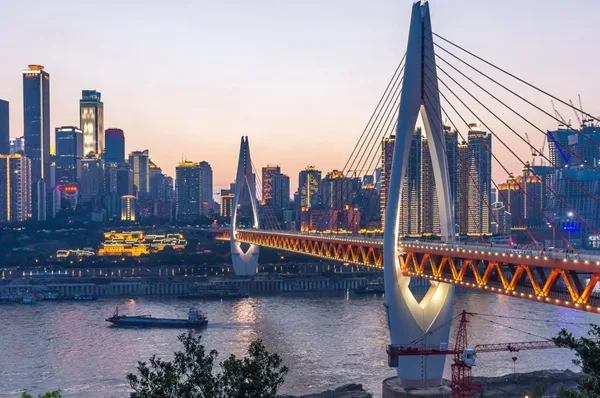 Chongqing Doing business in Chongqing
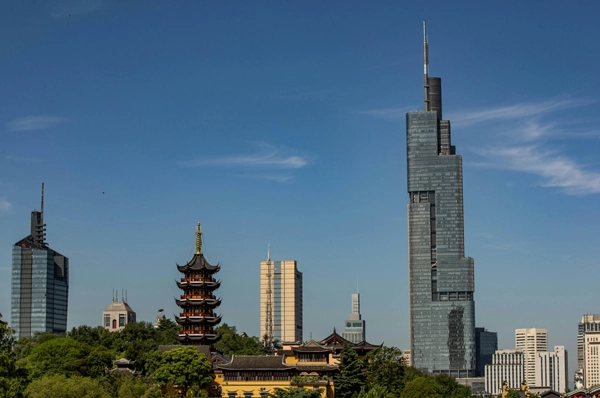 Nanjing Doing business in Nanjing
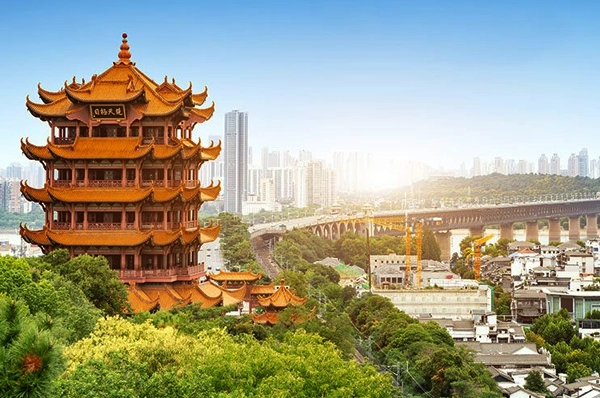 Wuhan Doing business in Wuhan
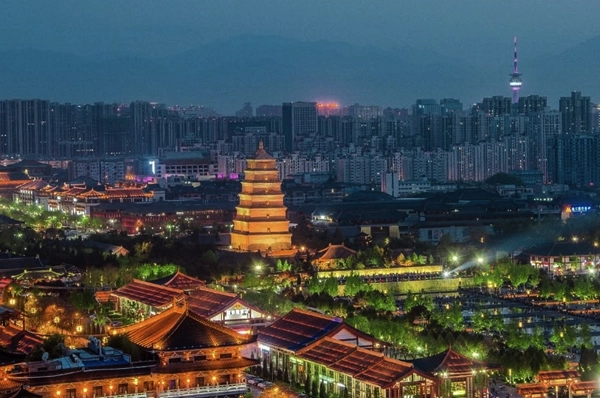 Xi'an Doing business in Xi'an
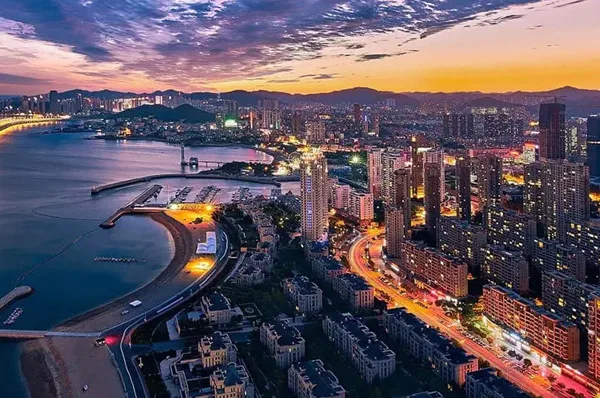 Dalian Doing business in Dalian
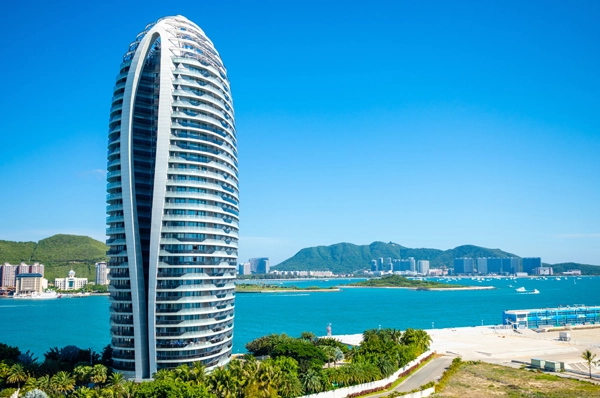 Hainan Doing business in Hainan
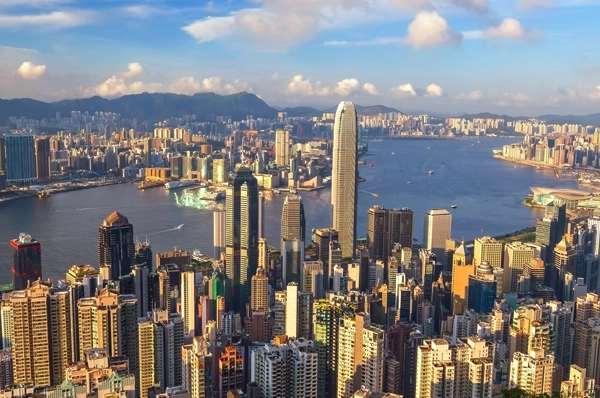 Hong Kong Doing business in Hong Kong
Start your Beijing business setup
Tell us your target structure and timeline, and we will outline the fastest compliant path for registration, accounting, and HR in Beijing.