China GACC and AQSIQ Certification Application
Importing consumer products into China means meeting GACC registration requirements and the legacy AQSIQ process. What applies and how to complete it.

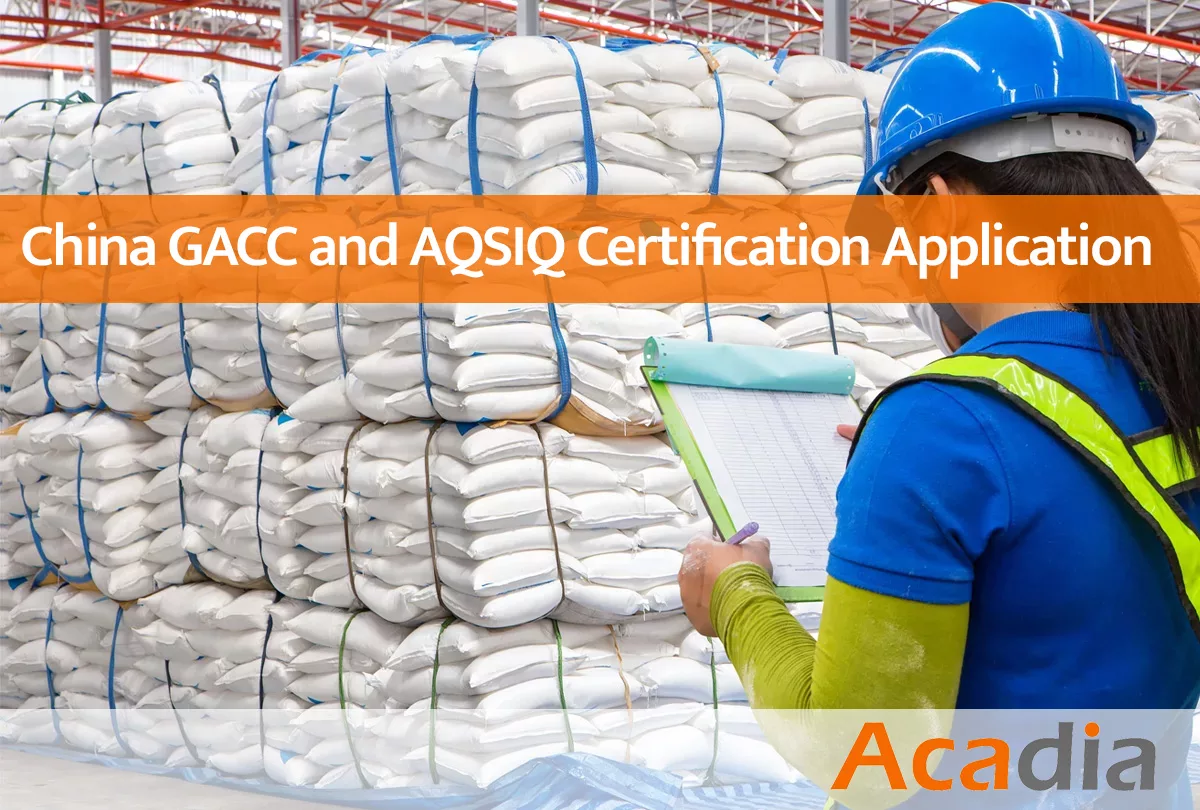
When importing and selling products to consumers in China, it is essential that they adhere to local regulatory requirements to ensure full access to local markets and smooth business operations. There are two main regulatory frameworks in China that oversee the importation of goods. These are the General Administration of Customs China (GACC) and the AQSIQ certificate, which is a legacy certification process. These two certifications are designed to oversee the quality, safety and compliance of goods brought in to the country.
What is GACC?
GACC is the main body that oversees customs control and all the relevant inspections and quarantines. It looks after many of the areas that used to come under the remit of the General Administration of Quality Supervision, Inspection and Quarantine (AQSIQ). They are responsible for overseeing the registration and certification of foreign exporters and manufacturers. They carry out checks to ensure that products meet Chinese safety laws, labelling requirements and hygiene standards.
Where does AQSIQ fit in?
AQSIQ was dissolved in 2018, with all its functions transferred to GACC and other agencies. The term “AQSIQ certificate” is still widely used. You may find that it is now used to refer to specific certificates or processes needed to import certain regulated items into the country, such as certain food products, recycled materials, used machinery, and agricultural products.
The framework used for the former AQSIQ certification is still considered to be a good benchmark for quality inspections for items that may have higher safety or environmental risks. Companies are still expected to meet this framework. Some elements of certification may be overseen by agencies other than GACC, including the State Administration for Market Regulation (SAMR).
Why is the certification important?
The certification processes are essential to ensure compliance with all the relevant regulations and to ensure that there are no issues getting products through customs. If the certifications are not in place, companies could risk shipments being rejected by customs, fines or even trade restrictions. The certification tells the government and the consumer that the goods meet the quality control checks and all local laws.
In addition to this, having these certifications give a company higher credibility with Chinese stakeholders. It shows that the company is committed to quality control, transparency and legal integrity.
Which products need GACC and AQSIQ certification?
Not all products will need these certifications, but there is a wide range that do. These include the following (not an exhaustive list):
- Agricultural products – includes meat, grains, dairy, fresh foods and seafood
- Processed foods and drinks
- Pet and animal foods
- Electronic waste products
- Used mechanical items
- Recycled plastics and metals
- Chemicals and other hazardous substances
Each product type has a defined regulatory pathway. This is based on the risk profile of the product and consideration of any existing trade agreements between China and the country the exports are coming from.
The GACC application process
The application process is compulsory for any manufacturer who wants to export food products to China. In 2022, the authorities added Decree 248, which requires any foreign food manufacturer to apply for registration online. The aim is to distinguish between the low and high-risk food categories.
Foods that fall into the high-risk category include meat, dairy and seafood. These companies should also obtain endorsement from the competent authorities in their own countries. Low-risk foods include snacks or grains and the company can simply register directly with the GACC.
To apply, companies need to do the following:
- Complete a company profile that includes details of all operational licenses and production capabilities
- Provide copies of all hygiene and safety certifications (such as HACCP)
- Provide facility layouts, risk control processes and flow charts
- Copies of sample labels that have been translated into Chinese
The GACC will carry out a comprehensive review and if successful, the applicants will be given a registration number. This has to be added to the inner and outer packaging of all products going to China. The registration will remain in place for five years. It will then need to be renewed, but there will be ongoing compliance checks.
AQSIQ application process
Even though AQSIQ doesn’t officially exist any longer, the process for application does remain valid for some imports. This will apply to items such as waste materials and used equipment. The application can go through GACC or the SAMR, depending upon the product type.
The process includes:
- Applying online
- Providing a copy of the company’s business license, all quality control documentation and product specifications
- An inspection carried out by a third party or on-site as required, this will focus on compliance in areas such as technical, operational and environmental compliance
Any certificate that is issued under AQSIQ is usually valid for three years and has to be renewed in advance of its expiry date. If there is any change at all to the way that the manufacturer operates during the three years, even if it is just a change of management, it has to be reported immediately to the Chinese authorities so that the certificate stays valid.
How long does it take and how much does it cost?
The process can take anything between 8 and 16 weeks, depending on a number of factors such as the completeness of the documentation and the product category.
Costs can include the fee for filing with the government, translation costs, charges for inspections and consultancy fees. Any exporter that is dealing with complex categories of products is advised to also use a compliance agency to help to avoid any delays and ensure regulatory compliance.
Conclusion
It is not just a regulatory requirement to have the GACC and AQSIQ certifications – it is a business essential for any company that is looking to expand into the Chinese market. Having the certification helps to build market trust, boost operational transparency and make it easier to remain legally compliant.
It is important for companies to invest in the process to ensure that they fully understand it. They should also ensure that their quality management systems are robust and that they work with experienced consultants. They should be fully prepared for the process and set out a clear roadmap for compliance – this will allow them to gain access to the Chinese markets and form the lasting trade relationships that will help the business to succeed.
Related services
- China Company Secretarial Services
Keep your entity in good standing with reliable governance, filings, and statutory record maintenance.